Waterjet Cutting Services in Canada
Waterjet cutting forces a high-pressure stream of water (often mixed with garnet abrasive) through a tiny nozzle to cut almost any material — from foam to stone to titanium — without heat-affected zones. The cold-cut nature of waterjet preserves material properties, opens up material combinations that lasers cannot touch, and handles thick plate that would be impractical or impossible elsewhere. Canadian waterjet capacity supports aerospace, defence, oil and gas, architectural, and specialty fabrication.
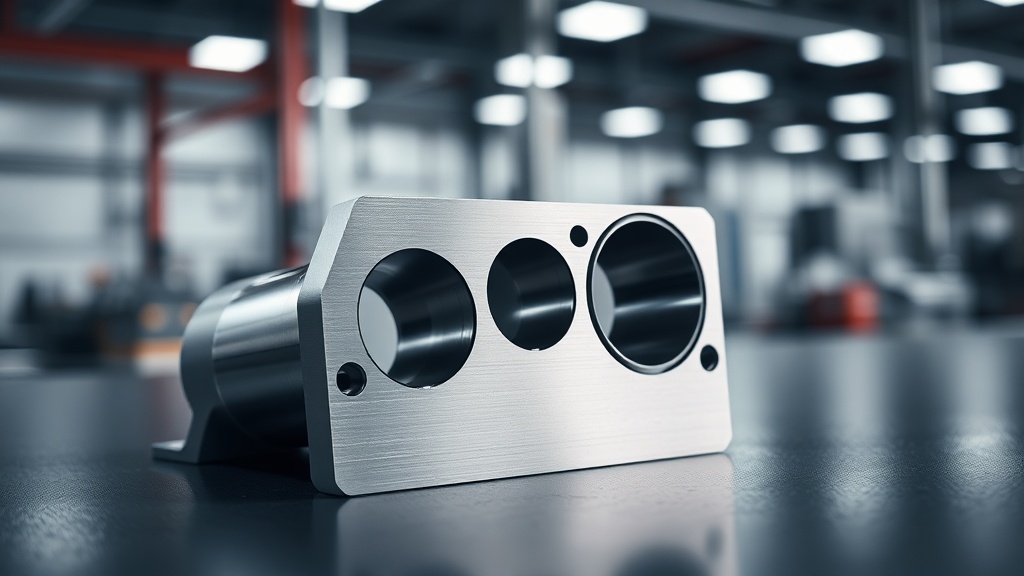
Waterjet Cutting in Canada
Waterjet is the universal cutting process. There is essentially no material a waterjet cannot cut — and unlike laser, plasma, or torch cutting, it leaves no heat-affected zone, no melted edges, and no thermal distortion. This makes waterjet the right tool when material properties matter more than cutting speed.
Where Waterjet Wins
Thick plate. Above ~25 mm, laser cutting slows dramatically and edge quality degrades. Waterjet handles 50, 100, even 200+ mm plate routinely.
Composite materials. Carbon fiber, fiberglass, Kevlar, and aramid composites cut without delamination, thermal damage, or matrix degradation. Quebec’s Bombardier and aerospace cluster, Vancouver’s marine industry, and Manitoba’s aerospace base all rely on waterjet for composite work.
Heat-sensitive parts. Hardened steel that cannot be re-tempered, plated parts, parts with critical material properties — all cut without thermal effect.
Exotic materials. Titanium, Inconel, Hastelloy, and superalloys cut economically at thicknesses laser struggles with.
Stone, glass, and tile. Architectural stone, glass artwork, kitchen counter cutouts, and decorative tile work all use waterjet.
Pure Water vs. Abrasive
| Type | Materials | Use Case |
|---|---|---|
| Pure water | Foam, rubber, gasket, food, fabric | Soft material cutting |
| Abrasive | Metal, stone, glass, composites, ceramics | Production manufacturing |
Almost all production waterjet is abrasive (garnet-fed). Pure water is more specialized.
Canadian Waterjet Network
Canadian waterjet capacity is concentrated in fabrication centres, with specialty composite-focused shops in Quebec, BC, and Manitoba. Most large fabrication shops run waterjet alongside laser, plasma, and machining capacity, so we can route the same project to whichever process produces the best part at the best cost.
Waterjet Cutting at a Glance
- ISO 9001:2015
- AS9100 (select shops)
- CWB / CSA W47.1
Available Materials
Industries We Serve
Frequently Asked Questions
When should I choose waterjet over laser cutting?
What's the difference between pure water and abrasive waterjet?
Can waterjet cut composites?
How thick can waterjet really cut?
Get a Waterjet Cutting Quote
Get waterjet cutting done right the first time. Join our waitlist and we'll connect you with vetted Canadian suppliers.
Or email us at hello@theassemblystudio.com
Explore More Waterjet Cutting Resources
Sheet Metal Fabrication Services in Canada
Canadian sheet metal fabrication services. Laser cutting, bending, welding, and finishing from CWB-certified and ISO-compliant Canadian fabricators.
Sheet Metal Bending & Forming Services in Canada
Canadian press brake bending and forming services. CNC press brake fabrication for enclosures, brackets, panels, and structural sheet metal from CWB-certified shops.
Laser Cutting Services in Canada
Canadian laser cutting services for sheet metal, plate, and tube. Fiber and CO2 laser cutting from CWB-certified Canadian shops with fast prototype turnaround.
Plasma Cutting Services in Canada
Canadian plasma cutting for fast, economical heavy plate cutting. CNC plasma cutting up to 50 mm steel from CWB-certified Canadian fabrication shops.
How to Manufacture Car Parts in Canada
Complete guide to manufacturing automotive parts in Canada. Compare processes, materials, costs, and connect with vetted Canadian auto parts manufacturers.
Manufacturing intel.
Every Tuesday.
Real costs, vetted Canadian suppliers, and government funding alerts. One free email a week.
Unsubscribe anytime. Your data stays in Canada.