How to Manufacture Car Parts in Canada
Canada has a deep automotive manufacturing heritage and a modern supplier network capable of producing everything from prototype brackets to production-ready interior components. Whether you're replacing obsolete parts, prototyping a new design, or scaling to production, Canadian manufacturers offer competitive pricing, fast turnaround, and proximity advantages that overseas suppliers can't match.
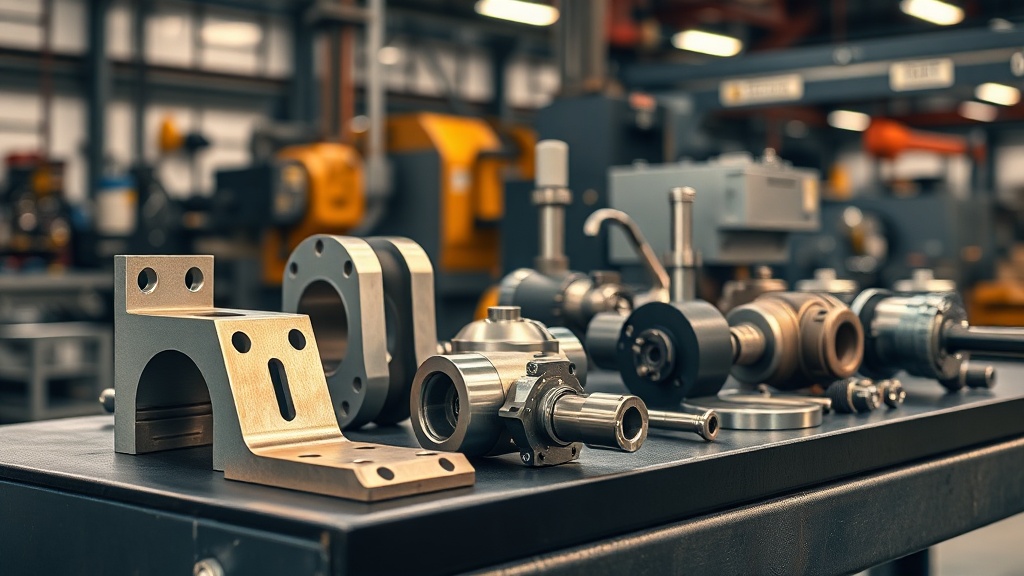
Why Manufacture Car Parts in Canada?
The Canadian automotive sector is one of the largest in North America, with deep expertise across the full supply chain - from raw materials to finished assemblies. Ontario alone hosts over 700 automotive parts manufacturers.
The Reshoring Opportunity
With Canada’s 25% surtax on Chinese-origin EVs, steel, and aluminum - plus growing global supply chain uncertainty - domestic manufacturing has never made more sense. Canadian and US OEMs are reshoring production to North America at record rates. When you factor in surtaxes, shipping delays, quality risk, and CUSMA duty-free access to the US and Mexico, manufacturing in Canada is often the more economical choice.
What Makes Canada Different
- Proximity: 2–5 day ground shipping to any major North American market
- Quality: Manufacturers hold IATF 16949, ISO 9001, and other automotive certifications
- IP Protection: Strong legal framework - no forced technology transfer
- CUSMA Access: Duty-free trade with the US and Mexico for qualifying parts
- No MOQs: Many Canadian shops will produce runs as small as 1–50 units
Best Processes for Car Parts
CNC Machining
Precision metal and plastic parts from solid stock. Ideal for brackets, housings, and structural components with tight tolerances.
Learn more about CNC Machining
3D Printing (SLS/MJF)
Rapid prototyping and low-volume production of complex geometries without tooling investment.
Learn more about 3D Printing (SLS/MJF)
Injection Molding
High-volume production of plastic components with consistent quality and low per-unit cost.
Learn more about Injection Molding
Sheet Metal Fabrication
Cutting, bending, and forming sheet metal into panels, brackets, and enclosures.
Learn more about Sheet Metal Fabrication
Materials Guide
| Material | Description | Applications |
|---|---|---|
| Aluminum 6061 | Lightweight, corrosion-resistant alloy with good machinability | Brackets, housings, heat sinks |
| Stainless Steel 304 | High corrosion resistance, excellent durability | Exhaust components, fasteners, structural parts |
| Nylon PA12 | Strong, flexible engineering plastic | Clips, cable guides, interior components |
| ABS | Impact-resistant thermoplastic | Dashboard parts, trim pieces, covers |
Canadian Car Parts Manufacturers
We're currently vetting and onboarding car parts manufacturers across Canada. Join our waitlist to get introduced to our latest trusted suppliers.
Join the WaitlistCanada vs. Overseas: Cost Comparison
Canadian pricing is higher per-unit but total landed cost is often lower when you include 6–12 week shipping delays from Asia, Canada's 25% surtax on Chinese-origin goods, minimum order quantities, and IP risk.
Tariff & Reshoring Advantages
- Canada's 25% surtax on Chinese-origin EVs, steel, and aluminum makes domestic sourcing the clear choice
- CUSMA/USMCA duty-free access - Canadian-made auto parts enter the US and Mexico tariff-free when meeting rules of origin
- No ocean freight delays - 2–5 day ground shipping anywhere in North America
- Canadian manufacturers meet IATF 16949 automotive quality standards recognized globally
- Strong IP protection under Canadian law - no forced technology transfer
- Canadian government incentives: SR&ED tax credits, IRAP funding, and provincial manufacturing grants
Frequently Asked Questions
What types of car parts can be manufactured in Canada?
How long does it take to manufacture car parts in Canada?
Is it more expensive to manufacture car parts in Canada vs. overseas?
What certifications do Canadian auto parts manufacturers have?
Get Matched With a Canadian Auto Parts Manufacturer
Ready to manufacture car parts in Canada? Join our waitlist and we'll connect you with trusted Canadian manufacturers.
Or email us at hello@theassemblystudio.com
Related Manufacturing Guides
3D Printing Services in Canada
Canadian 3D printing services for prototyping and production. FDM, SLS, MJF, SLA, and DMLS from vetted Canadian manufacturers with ISO certification.
CNC Machining Services in Canada
Canadian CNC machining services for prototyping and production. 3-axis, 5-axis, turning, and milling from vetted Canadian manufacturers with CSA and ISO certification.
Injection Molding Services in Canada
Canadian injection molding services for consumer products, medical devices, automotive, and industrial applications. ISO-certified manufacturers with cleanroom capability.
How to Manufacture Aerospace Components in Canada
Guide to manufacturing aerospace components in Canada. CNC machining, additive manufacturing, and sheet metal fabrication from AS9100-certified Canadian aerospace suppliers.
How to Manufacture Agricultural Equipment in Canada
Guide to manufacturing agricultural equipment in Canada. CNC machining, welding, and metal fabrication for farm machinery and components from experienced Canadian manufacturers.
How to Manufacture Battery Enclosures in Canada
Guide to manufacturing battery enclosures in Canada. CNC machining, sheet metal fabrication, and die casting for EV and industrial battery housings from Canadian manufacturers.
Manufacturing intel.
Every Tuesday.
Real costs, vetted Canadian suppliers, and government funding alerts. One free email a week.
Unsubscribe anytime. Your data stays in Canada.