How to Manufacture Agricultural Equipment in Canada
Canada's Prairie provinces are home to a robust agricultural equipment manufacturing base built on decades of proximity to end users. From precision-machined hydraulic components to heavy structural weldments, Canadian manufacturers understand the durability and performance demands of farming equipment - because they operate in one of the world's most productive agricultural regions.
Why Manufacture Agricultural Equipment in Canada?
Canada is one of the world’s largest agricultural producers, and the equipment manufacturing sector has grown up alongside the farms it serves. Saskatchewan alone is home to over 200 agricultural equipment manufacturers and suppliers. This proximity to end users means Canadian manufacturers understand the unique demands of agricultural equipment - extreme durability, seasonal urgency, and field serviceability.
For equipment OEMs and distributors, Canadian manufacturing offers short supply lines to the North American agricultural heartland, competitive costs driven by domestic steel and favorable exchange rates, and the ability to respond quickly to seasonal demand spikes. When a combine goes down during harvest, replacement parts from a Canadian supplier arrive in days, not months.
The Reshoring Opportunity
Heavy agricultural equipment components are expensive to ship across oceans. Frames, implements, and structural weldments that weigh hundreds or thousands of pounds incur massive freight costs when sourced from overseas. Reshoring these components to Canada - close to the farms and dealerships that need them - reduces total landed cost and dramatically improves responsiveness.
What Makes Canada Different
- Market Proximity: Manufacturing in the heart of North America’s agricultural belt
- Heavy Fabrication Capability: CWB-certified shops with large-format cutting, forming, and welding
- Seasonal Responsiveness: 1-2 week lead times for replacement and wear parts during critical seasons
- Domestic Steel Supply: Canadian steel sourcing avoids tariff complications and supply chain risk
- CUSMA Access: Duty-free export to US and Mexican agricultural markets
Best Processes for Agricultural Equipment
CNC Machining
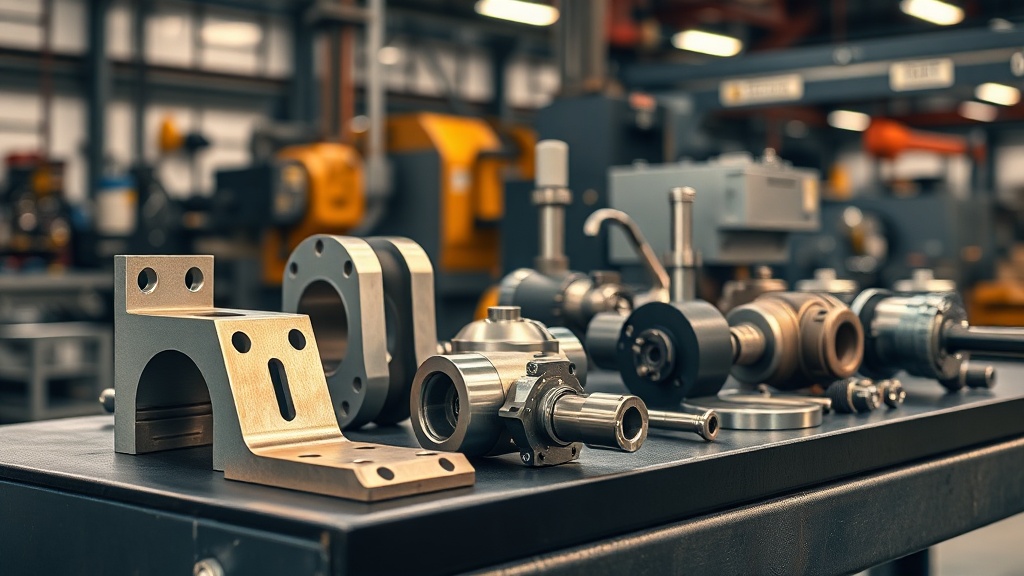
Precision machining of hydraulic components, shaft assemblies, gearbox housings, and wear parts from hardened steels and cast iron.
Structural Welding & Fabrication
Heavy steel fabrication including MIG/TIG welding, plasma cutting, and forming for frames, booms, and structural components.
Sheet Metal Fabrication
Laser cutting, press brake forming, and finishing of sheet metal panels, guards, and enclosures.
Casting & Forging
Sand casting and closed-die forging for high-strength structural and wear components.
Materials Guide
| Material | Description | Applications |
|---|---|---|
| AR400/AR500 Steel | Abrasion-resistant steel for high-wear agricultural applications | Tillage blades, wear plates, bucket edges, ground-engaging tools |
| 4140 Alloy Steel | High-strength, heat-treatable steel for structural and drivetrain components | Shafts, gears, pins, hydraulic cylinder rods |
| A36 Structural Steel | General-purpose structural steel with good weldability | Frames, brackets, supports, structural fabrications |
| Ductile Iron | Cast iron with improved ductility and impact resistance | Gearbox housings, wheel hubs, coupling housings |
Canadian Agricultural Equipment Manufacturers
We're currently vetting and onboarding agricultural equipment manufacturers across Canada. Join our waitlist to get introduced to our latest trusted suppliers.
Join the WaitlistCanada vs. Overseas: Cost Comparison
Agricultural equipment components are often heavy and bulky, making freight a significant cost factor. Manufacturing close to end markets in the Prairies reduces total landed cost and enables faster warranty and replacement part delivery.
Tariff & Reshoring Advantages
- CUSMA duty-free access for agricultural equipment shipped to US and Mexican markets
- Domestic steel and raw material sourcing avoids Section 232 tariff complications
- Proximity to the largest agricultural markets in North America - the Canadian Prairies and US Midwest
- Strong IP protection under Canadian law for proprietary equipment designs
Frequently Asked Questions
Where are Canada's agricultural equipment manufacturers located?
Can Canadian manufacturers handle heavy structural weldments?
What quality standards apply to agricultural equipment manufacturing?
How do lead times compare to overseas sourcing?
Get Matched With a Canadian Agricultural Equipment Manufacturer
Ready to manufacture agricultural equipment in Canada? Join our waitlist and we'll connect you with trusted Canadian manufacturers.
Or email us at hello@theassemblystudio.com
Related Manufacturing Guides
How to Manufacture Aerospace Components in Canada
Guide to manufacturing aerospace components in Canada. CNC machining, additive manufacturing, and sheet metal fabrication from AS9100-certified Canadian aerospace suppliers.
How to Manufacture Battery Enclosures in Canada
Guide to manufacturing battery enclosures in Canada. CNC machining, sheet metal fabrication, and die casting for EV and industrial battery housings from Canadian manufacturers.
How to Manufacture Automotive Accessories in Canada
Guide to manufacturing automotive accessories in Canada. Injection molding, CNC machining, and 3D printing for aftermarket and OEM automotive parts from Canadian manufacturers.
Manufacturing intel.
Every Tuesday.
Real costs, vetted Canadian suppliers, and government funding alerts. One free email a week.
Unsubscribe anytime. Your data stays in Canada.