Sheet Metal Bending & Forming Services in Canada
Press brake bending is how flat laser-cut blanks become finished sheet metal parts — enclosures, brackets, panels, frames, ductwork, and assemblies of every kind. Modern CNC press brakes with hydraulic and servo-electric drives, multi-axis backgauges, and angle-correction sensors deliver consistent bends across long production runs. Canadian bending capacity is universally paired with [laser cutting](/manufacturing/sheet-metal/laser-cutting/) so most sheet metal fabrication happens at single-shop, blank-to-finished-part workflow.
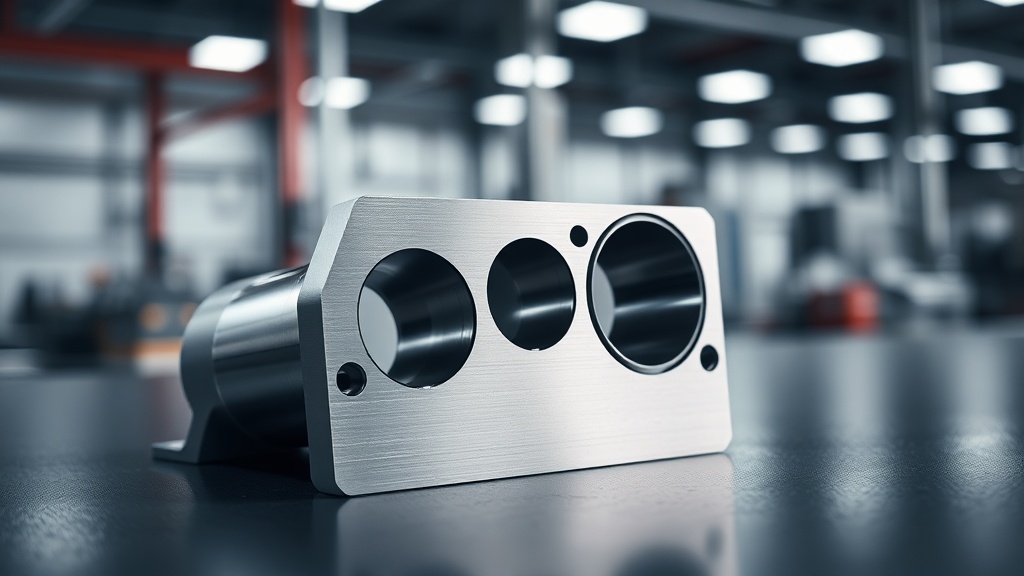
Sheet Metal Bending & Forming in Canada
Press brake bending is the most common sheet metal forming operation in Canada. A CNC press brake clamps a flat blank between a punch and die, then drives the punch downward to form a precise bend angle. Modern brakes hold tight angle tolerances, accommodate complex bend sequences, and integrate with offline programming software to produce parts efficiently from CAD straight to finished metal.
Where Press Brake Bending Wins
Enclosures and chassis. Equipment cabinets, electronics enclosures, machine guards, and product housings — almost universally produced from laser-cut, press-brake-bent blanks.
Brackets and supports. Mounting brackets, structural angle brackets, equipment supports, and integrated assembly hardware.
Architectural and cosmetic parts. Window flashing, decorative trim, signage panels, and architectural cladding components.
HVAC and ductwork. Sheet metal duct sections, plenums, and equipment housings.
Beyond Standard Bending
Roll forming. For long parts with constant cross-section (gutters, ribbed panels, structural shapes) roll forming is faster than press brake — but requires dedicated tooling and is volume-driven.
Stretch forming. Aerospace skin panels and curved decorative panels use stretch forming to produce smooth, dent-free curved surfaces.
Drawing and deep drawing. Cup-like and shell parts (cookware, fuel tanks, certain enclosures) use drawing operations on hydraulic or mechanical presses with progressive dies.
Stamping. For high-volume production of complex sheet metal parts, progressive die stamping is the right answer. Stamping requires committed tooling investment but produces complex parts in seconds.
Canadian Bending Network
Press brake capacity is universal in Canadian fabrication. Most shops run 2–10 brakes from 50 to 600 ton capacity, paired with laser, waterjet, or plasma cutting. We route based on bed length, tonnage, material specialty, and shop quality system. For high-volume formed parts route to stamping instead.
Sheet Metal Bending & Forming at a Glance
- ISO 9001:2015
- CWB W47.1
- CSA W59
- AWS D1.1
Available Materials
Industries We Serve
Frequently Asked Questions
What thicknesses can press brake bending handle?
How tight can the bend radius be?
What's the minimum flange length on a bent part?
Can complex parts with multiple bends be produced economically?
Get a Sheet Metal Bending Quote
Get sheet metal bending & forming done right the first time. Join our waitlist and we'll connect you with vetted Canadian suppliers.
Or email us at hello@theassemblystudio.com
Explore More Sheet Metal Bending & Forming Resources
Sheet Metal Fabrication Services in Canada
Canadian sheet metal fabrication services. Laser cutting, bending, welding, and finishing from CWB-certified and ISO-compliant Canadian fabricators.
Laser Cutting Services in Canada
Canadian laser cutting services for sheet metal, plate, and tube. Fiber and CO2 laser cutting from CWB-certified Canadian shops with fast prototype turnaround.
Plasma Cutting Services in Canada
Canadian plasma cutting for fast, economical heavy plate cutting. CNC plasma cutting up to 50 mm steel from CWB-certified Canadian fabrication shops.
CNC Punching Services in Canada
Canadian CNC turret punching for production sheet metal. Fast, economical hole patterns, louvers, and forming on flat sheet from CWB-certified Canadian shops.
How to Manufacture Car Parts in Canada
Complete guide to manufacturing automotive parts in Canada. Compare processes, materials, costs, and connect with vetted Canadian auto parts manufacturers.
Manufacturing intel.
Every Tuesday.
Real costs, vetted Canadian suppliers, and government funding alerts. One free email a week.
Unsubscribe anytime. Your data stays in Canada.