Metal Stamping Services in Canada
Metal stamping is the production process for high-volume sheet metal parts. Progressive dies, transfer dies, and dedicated forming presses turn coils of sheet metal into millions of identical parts at cycle times measured in fractions of a second. Canadian stamping capacity supports automotive (the dominant market), appliances, electrical, HVAC, and consumer products, with deep IATF 16949-certified capability concentrated in southern Ontario.
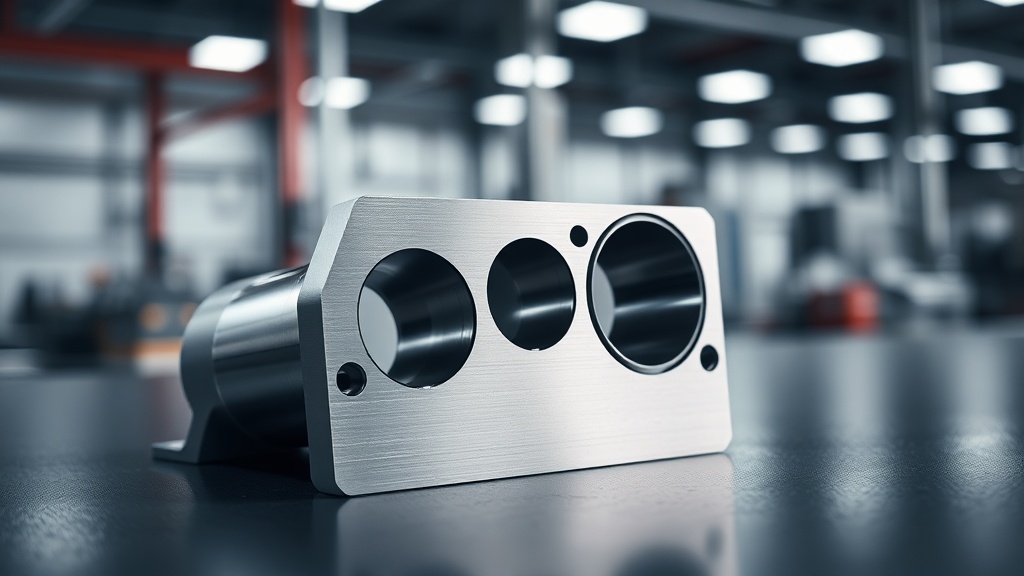
Metal Stamping in Canada
Metal stamping is the volume process. When the production volume justifies the tooling investment, no other sheet metal process matches stamping for cost-per-part, cycle time, and consistency. Southern Ontario’s stamping concentration — driven by automotive — is one of the deepest manufacturing capabilities in Canada, with hundreds of IATF 16949-certified tier-1 and tier-2 stampers.
Where Stamping Wins
Automotive body, chassis, and structural parts. Body panels, brackets, structural reinforcements, and chassis components produced in millions of units annually.
Appliance fabrication. White goods (refrigerators, washers, ovens) use stamping for outer panels, internal frames, and structural components.
Electrical and electronics. Motor laminations, battery tabs, contact strips, and stamped-and-bent connectors.
HVAC equipment. Stamped enclosures, panels, and structural components for heating, cooling, and ventilation equipment.
Construction and building hardware. Stamped brackets, fasteners, connectors, and structural plates.
Stamping vs. Sheet Metal Fabrication
| Factor | Stamping | Fab (Laser + Brake) |
|---|---|---|
| Tooling cost | $50K–$1M+ | None |
| Per-part cost | Very low | Moderate |
| Cycle time | Seconds | Minutes |
| Volume sweet spot | 10K+ annually | 1–5K annually |
| Lead time to first part | 4–6 months | 1–2 weeks |
The decision is almost always volume-driven. We can model both paths to confirm.
Canadian Stamping Capacity
Southern Ontario carries the densest stamping capacity, with substantial additional capability in Quebec (electrical and appliance) and Western Canada (HVAC and equipment). Specialty precision stamping for electronics and aerospace concentrates near Toronto, Montreal, and Ottawa. PPAP and APQP compliance is universal at automotive-grade stampers; quality systems extend to APQP, FMEA, and traceability for safety-critical parts.
Metal Stamping at a Glance
- IATF 16949 (Automotive)
- ISO 9001:2015
- AS9100 (select shops)
- PPAP / APQP Compliance
Available Materials
Industries We Serve
Frequently Asked Questions
What's the minimum volume to justify metal stamping?
What does a stamping die cost?
How is progressive die stamping different from transfer die stamping?
Are Canadian stamping shops set up for prototype tooling?
Get a Metal Stamping Quote
Get metal stamping done right the first time. Join our waitlist and we'll connect you with vetted Canadian suppliers.
Or email us at hello@theassemblystudio.com
Explore More Metal Stamping Resources
Sheet Metal Fabrication Services in Canada
Canadian sheet metal fabrication services. Laser cutting, bending, welding, and finishing from CWB-certified and ISO-compliant Canadian fabricators.
Sheet Metal Bending & Forming Services in Canada
Canadian press brake bending and forming services. CNC press brake fabrication for enclosures, brackets, panels, and structural sheet metal from CWB-certified shops.
Laser Cutting Services in Canada
Canadian laser cutting services for sheet metal, plate, and tube. Fiber and CO2 laser cutting from CWB-certified Canadian shops with fast prototype turnaround.
Plasma Cutting Services in Canada
Canadian plasma cutting for fast, economical heavy plate cutting. CNC plasma cutting up to 50 mm steel from CWB-certified Canadian fabrication shops.
How to Manufacture Car Parts in Canada
Complete guide to manufacturing automotive parts in Canada. Compare processes, materials, costs, and connect with vetted Canadian auto parts manufacturers.
Manufacturing intel.
Every Tuesday.
Real costs, vetted Canadian suppliers, and government funding alerts. One free email a week.
Unsubscribe anytime. Your data stays in Canada.