Laser Cutting Services in Canada
Laser cutting is the fastest, most precise way to cut flat sheet, plate, and tube. A focused fiber or CO2 laser beam vaporizes a narrow kerf with minimal heat-affected zone, producing parts with clean edges, tight tolerances, and almost unlimited geometric freedom. Canadian laser cutting capacity is one of the deepest manufacturing specialties in the country — every meaningful fabrication shop runs at least one laser cutter, with high-power fiber lasers now standard.
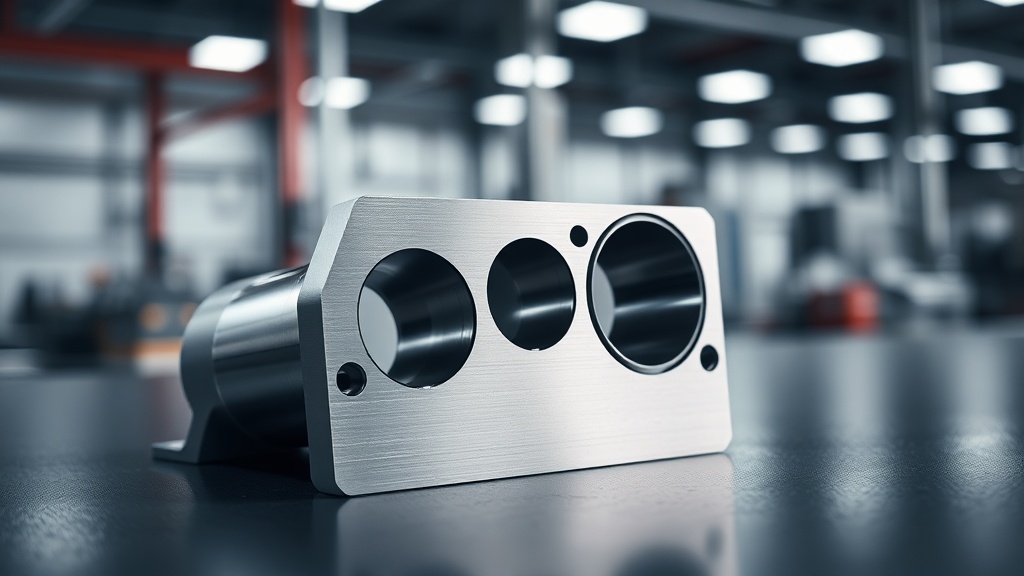
Laser Cutting in Canada
Laser cutting is the foundation of modern sheet metal fabrication in Canada. Fiber lasers from companies like Mazak, Bystronic, Trumpf, and LVD are now standard equipment in essentially every production fabrication shop. The shift from CO2 to fiber over the last decade has dramatically increased cutting speed, reduced operating cost, and expanded the material range — particularly for highly reflective metals like copper, brass, and aluminum.
What Laser Cutting Does Best
Sheet metal up to ~12 mm. This is the laser sweet spot — fast, precise, low cost per part.
Production volume. Sheet metal nesting software packs multiple parts onto every sheet, minimizing material waste. Lights-out production is standard.
Tight tolerances. Modern fiber lasers hold +/- 0.05 mm on small parts and tight features.
Tube and structural cutting. Tube laser machines cut profiles, slots, and notches in tube sections, eliminating manual fabrication operations.
When to Use Other Processes
For thicker plate (above 25 mm), exotic materials, or heat-sensitive parts, route to:
- Waterjet cutting — cold cut, unlimited material, up to 200+ mm thick.
- Plasma cutting — fast carbon steel cutting up to 50 mm.
For very small precision features in thin material, sometimes punching is faster than laser. We assess material, thickness, feature complexity, and volume to route to the right process.
Canadian Laser Capacity
Laser capacity is genuinely distributed across Canada — every meaningful fabrication shop has it. The interesting variation is in laser power (1–15+ kW), bed size (5x10 ft is standard, 6x12 ft and larger available), and material specialty (some shops run aluminum, copper, and brass routinely; others stick to steel and stainless). Tube laser capacity is more specialized but available in every major fabrication centre.
Laser Cutting at a Glance
- ISO 9001:2015
- CWB W47.1
- AS9100 (select shops)
- ITAR / CGP-Compliant Shops Available
Available Materials
Industries We Serve
Frequently Asked Questions
What's the difference between fiber and CO2 laser cutting?
What thicknesses can laser cutting handle?
How does laser compare to waterjet for sheet metal?
Can laser cutting handle tube and structural sections?
Get a Laser Cutting Quote
Get laser cutting done right the first time. Join our waitlist and we'll connect you with vetted Canadian suppliers.
Or email us at hello@theassemblystudio.com
Explore More Laser Cutting Resources
Sheet Metal Fabrication Services in Canada
Canadian sheet metal fabrication services. Laser cutting, bending, welding, and finishing from CWB-certified and ISO-compliant Canadian fabricators.
Sheet Metal Bending & Forming Services in Canada
Canadian press brake bending and forming services. CNC press brake fabrication for enclosures, brackets, panels, and structural sheet metal from CWB-certified shops.
Plasma Cutting Services in Canada
Canadian plasma cutting for fast, economical heavy plate cutting. CNC plasma cutting up to 50 mm steel from CWB-certified Canadian fabrication shops.
CNC Punching Services in Canada
Canadian CNC turret punching for production sheet metal. Fast, economical hole patterns, louvers, and forming on flat sheet from CWB-certified Canadian shops.
How to Manufacture Car Parts in Canada
Complete guide to manufacturing automotive parts in Canada. Compare processes, materials, costs, and connect with vetted Canadian auto parts manufacturers.
Manufacturing intel.
Every Tuesday.
Real costs, vetted Canadian suppliers, and government funding alerts. One free email a week.
Unsubscribe anytime. Your data stays in Canada.