Plasma Cutting Services in Canada
Plasma cutting uses a high-temperature ionized gas jet to cut conductive metals fast and economically. While laser is the precision tool and waterjet the universal one, plasma is the production-volume tool for heavy carbon steel plate — cutting faster than waterjet, more economically than laser, and reliably at thicknesses up to 50 mm and beyond. Canadian plasma cutting capacity supports heavy fabrication, structural steel, oil and gas, mining, and agricultural equipment manufacturing.
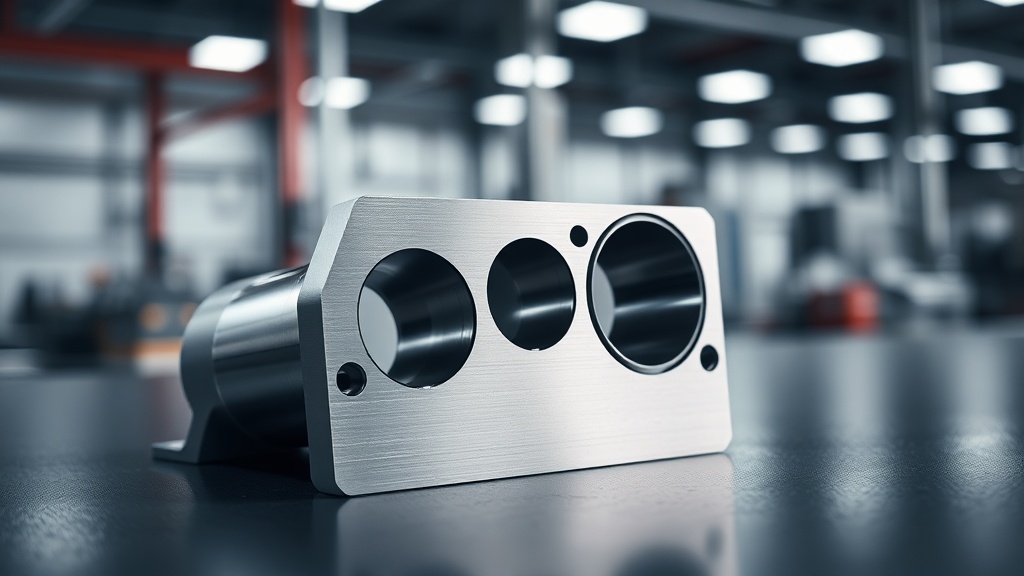
Plasma Cutting in Canada
Plasma cutting fills the gap between laser (precision, thin) and oxy-fuel torch (slow, very thick). For carbon steel from 6 mm to 50+ mm, plasma is faster than waterjet, more economical than laser, and produces edges good enough for structural welding without secondary prep. Canadian plasma capacity is everywhere heavy fabrication happens — Alberta and Saskatchewan oil and gas, Manitoba and Ontario agricultural and mining equipment, structural steel fabricators across the country.
Where Plasma Wins
Heavy carbon steel cutting. From 6 mm to 50 mm plate, plasma is the volume process. Frame plates, structural beams, baseplates, gussets, and lifting equipment all cut on plasma.
Structural steel fabrication. CSA W59 and AWS D1.1 structural projects use plasma for both 2D plate cutting and bevel cutting (multi-axis plasma can produce weld-prep bevels in a single pass).
Heavy equipment. Mining buckets, agricultural implements, oil and gas equipment, transportation chassis — anywhere thick steel plate dominates.
Plate marking. Plasma can scribe layout lines and part numbers directly onto plate before cutting, reducing labour in downstream fabrication.
Plasma vs. Other Heavy-Plate Cutting
| Process | Speed | Edge Quality | Cost | Material |
|---|---|---|---|---|
| Plasma | Fast | Good | Low | Conductive metals |
| Oxy-fuel | Slow | Rough | Lowest | Carbon steel only |
| Waterjet | Slow | Excellent | High | Any material |
| Laser | Fast (thin) | Excellent | Moderate-High | Up to ~25 mm |
For most heavy-plate carbon steel work, plasma is the right call. For weld-quality bevel preparation, multi-axis plasma is significantly faster than mechanical bevel grinding.
Canadian Plasma Capacity
Plasma capacity is densest near heavy industry — Alberta and Saskatchewan oil and gas, Ontario and Quebec automotive and structural, Manitoba and Saskatchewan agriculture, BC marine and resource industries. Most production fabrication shops run multi-axis plasma cells alongside laser and waterjet for full-process cutting flexibility.
Plasma Cutting at a Glance
- ISO 9001:2015
- CWB W47.1
- CSA W59 (Structural)
- AWS D1.1
Available Materials
Industries We Serve
Frequently Asked Questions
When does plasma beat laser for cutting?
What's the edge quality of plasma cutting?
Can plasma cut stainless and aluminum?
Is plasma cutting precise enough for production parts?
Get a Plasma Cutting Quote
Get plasma cutting done right the first time. Join our waitlist and we'll connect you with vetted Canadian suppliers.
Or email us at hello@theassemblystudio.com
Explore More Plasma Cutting Resources
Sheet Metal Fabrication Services in Canada
Canadian sheet metal fabrication services. Laser cutting, bending, welding, and finishing from CWB-certified and ISO-compliant Canadian fabricators.
Sheet Metal Bending & Forming Services in Canada
Canadian press brake bending and forming services. CNC press brake fabrication for enclosures, brackets, panels, and structural sheet metal from CWB-certified shops.
Laser Cutting Services in Canada
Canadian laser cutting services for sheet metal, plate, and tube. Fiber and CO2 laser cutting from CWB-certified Canadian shops with fast prototype turnaround.
CNC Punching Services in Canada
Canadian CNC turret punching for production sheet metal. Fast, economical hole patterns, louvers, and forming on flat sheet from CWB-certified Canadian shops.
How to Manufacture Car Parts in Canada
Complete guide to manufacturing automotive parts in Canada. Compare processes, materials, costs, and connect with vetted Canadian auto parts manufacturers.
Manufacturing intel.
Every Tuesday.
Real costs, vetted Canadian suppliers, and government funding alerts. One free email a week.
Unsubscribe anytime. Your data stays in Canada.