Overmolding Services in Canada
Overmolding bonds a second material onto a first in a controlled molding process — typically a softer elastomer (TPE, TPU, silicone) molded over a rigid plastic substrate. The result is a single integrated part with multiple functional zones: a hard structural core with a soft grip, a metal threaded insert with a sealed plastic body, or a co-molded gasket integrated into a housing. Canadian overmolding capacity supports consumer products, medical devices, automotive components, and industrial tooling.
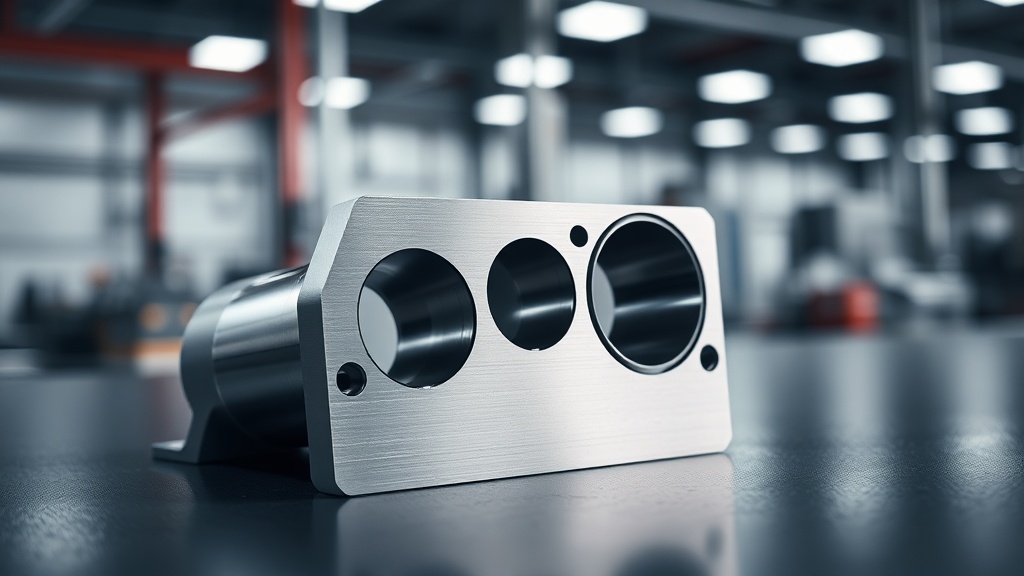
Overmolding in Canada
Overmolding is what makes modern consumer products feel premium. A toothbrush handle’s soft grip, a power tool’s rubberized housing, a medical device’s gasket — these are all overmolded parts where a softer, grippier, sealing material has been molded directly onto a rigid plastic core. Canadian overmolding capacity is concentrated in Ontario and Quebec, with strong support from the automotive and consumer products industries.
Where Overmolding Wins
Soft-touch grips and ergonomic surfaces. Power tools, kitchen utensils, electronics housings, and sporting goods all use overmolded TPE or TPU for tactile quality.
Integrated seals and gaskets. Co-molded silicone or TPV gaskets eliminate assembly steps and ensure consistent seal placement.
Multi-material consumer products. Toothbrushes, razors, kitchen appliances, and personal care items where soft and rigid zones improve function and feel.
Medical device housings. Soft-touch handles on surgical instruments, sealed enclosures for electronic medical devices, biocompatible silicone overmolds on PEEK or rigid plastic substrates.
Two-Shot vs. Insert Overmolding
| Method | Volume | Tooling Cost | Consistency |
|---|---|---|---|
| Two-shot (2K) | High volume | High | Excellent |
| Insert overmolding | Low-medium | Moderate | Good |
For high-volume consumer products, two-shot tooling pays back in cycle-time and yield. For low-to-medium volumes, insert overmolding lowers the up-front investment.
Canadian Overmolding Network
Our Canadian overmolding network includes shops with two-shot machines for high-volume consumer products, insert-overmolding cells for medium-volume industrial work, and ISO 13485-certified medical molders for biocompatible silicone-on-PEEK and similar applications.
Overmolding at a Glance
- ISO 9001:2015
- ISO 13485 (Medical)
- IATF 16949 (Automotive)
- FDA Compliant Materials
- USP Class VI
Available Materials
Industries We Serve
Frequently Asked Questions
What's the difference between overmolding and two-shot molding?
How do I know which materials will bond?
Can metal inserts be overmolded into plastic parts?
What's a typical tooling cost for overmolding?
Get an Overmolding Quote
Get overmolding done right the first time. Join our waitlist and we'll connect you with vetted Canadian suppliers.
Or email us at hello@theassemblystudio.com
Explore More Overmolding Resources
Injection Molding Services in Canada
Canadian injection molding services for consumer products, medical devices, automotive, and industrial applications. ISO-certified manufacturers with cleanroom capability.
Insert Molding Services in Canada
Canadian insert molding services for metal-to-plastic integration. Threaded inserts, electrical contacts, structural reinforcements, and bushings molded into plastic housings.
Liquid Silicone Rubber (LSR) Molding Services in Canada
Canadian LSR molding for medical, food, and consumer silicone parts. Biocompatible, food-safe, and high-temperature silicone parts from ISO 13485-certified Canadian shops.
Micro Injection Molding Services in Canada
Canadian micro injection molding for sub-gram precision parts. Medical, electronics, and microfluidic components from specialized Canadian micro-molding shops.
How to Manufacture Car Parts in Canada
Complete guide to manufacturing automotive parts in Canada. Compare processes, materials, costs, and connect with vetted Canadian auto parts manufacturers.
Manufacturing intel.
Every Tuesday.
Real costs, vetted Canadian suppliers, and government funding alerts. One free email a week.
Unsubscribe anytime. Your data stays in Canada.