Insert Molding Services in Canada
Insert molding integrates pre-fabricated components — threaded inserts, electrical contacts, bushings, magnets, structural reinforcements — directly into a plastic part during the molding cycle. The plastic flows around and bonds mechanically to the insert, producing a finished part with integrated functionality that would otherwise require post-molding assembly. Canadian insert molding capacity supports automotive electrical, medical devices, electronics enclosures, and industrial assemblies.
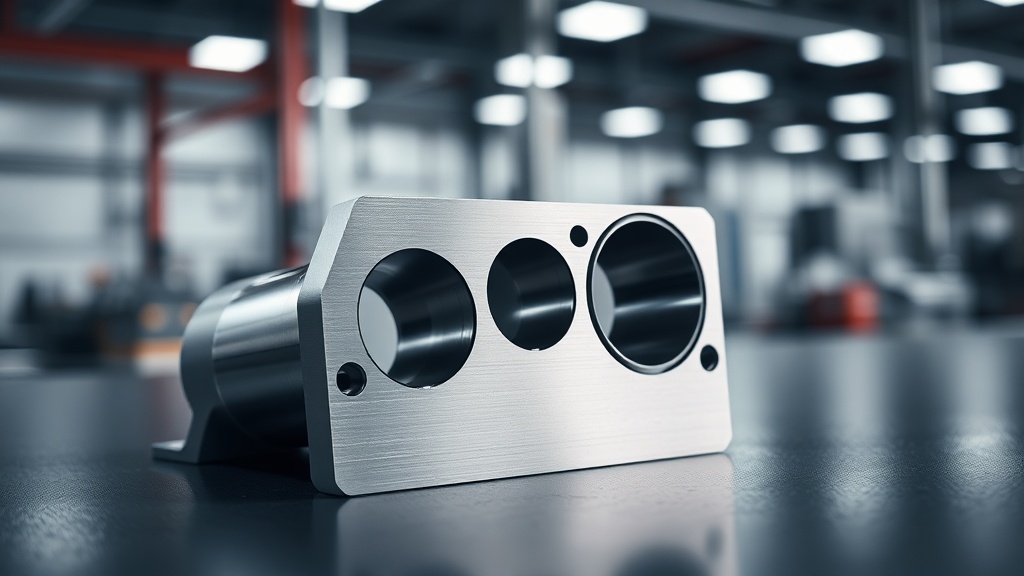
Insert Molding in Canada
Insert molding is the assembly-eliminating process. Instead of molding a plastic part and then assembling metal components to it, insert molding combines both operations into a single molding cycle. The result is a finished part with integrated metal hardware — and the elimination of the labour, tooling, and quality cost of post-molding assembly.
Where Insert Molding Wins
Threaded inserts in plastic housings. The single most common use case — brass or stainless threaded inserts integrated into power tool, electronics, and automotive plastic housings.
Electrical lead frames and connectors. Automotive, industrial sensor, and consumer electronics connectors with integrated metal contacts.
Bushings and bearings. Plastic gears and pulleys with integrated metal bushings or precision bearing seats.
Embedded magnets. Sensor housings, switch components, and magnetic-actuation devices with integrated rare-earth magnets.
How It Works
Inserts are loaded into the mold cavity (manually for low volumes, robotically for production). The mold closes, plastic injects around the insert, and the plastic shrinks against the insert geometry to lock it in place. Mechanical features on the insert — knurling, undercuts, hex profiles — create the retention.
Trade-Offs
Cycle time. Insert loading adds time to each molding cycle. Robotic loading minimizes this; manual loading adds 5–15 seconds per cycle.
Tool complexity. Tools have insert-loading provisions, sometimes including pneumatic ejection of mis-loaded inserts.
QA. Mis-loaded or missing inserts are catastrophic. Production cells use vision systems to verify insert presence before each shot.
Canadian Insert Molding Network
Insert molding capacity is concentrated near major automotive (Ontario), electronics (Quebec, BC), and consumer products (Ontario, Quebec) clusters. Our network covers manual-load short-run capability through robotic-load production cells with vision verification.
Insert Molding at a Glance
- ISO 9001:2015
- ISO 13485 (Medical)
- IATF 16949 (Automotive)
- UL Yellow Card (Electrical)
- FDA Compliant Materials
Available Materials
Industries We Serve
Frequently Asked Questions
What's the most common use of insert molding?
How do inserts stay in place during molding?
Can insert molding handle electrical contacts and lead frames?
How does insert molding cost compare to post-molding assembly?
Get an Insert Molding Quote
Get insert molding done right the first time. Join our waitlist and we'll connect you with vetted Canadian suppliers.
Or email us at hello@theassemblystudio.com
Explore More Insert Molding Resources
Injection Molding Services in Canada
Canadian injection molding services for consumer products, medical devices, automotive, and industrial applications. ISO-certified manufacturers with cleanroom capability.
Liquid Silicone Rubber (LSR) Molding Services in Canada
Canadian LSR molding for medical, food, and consumer silicone parts. Biocompatible, food-safe, and high-temperature silicone parts from ISO 13485-certified Canadian shops.
Micro Injection Molding Services in Canada
Canadian micro injection molding for sub-gram precision parts. Medical, electronics, and microfluidic components from specialized Canadian micro-molding shops.
Overmolding Services in Canada
Canadian overmolding services for soft-touch grips, multi-material assemblies, and integrated rubber-to-plastic parts. Two-shot and insert overmolding from certified shops.
How to Manufacture Car Parts in Canada
Complete guide to manufacturing automotive parts in Canada. Compare processes, materials, costs, and connect with vetted Canadian auto parts manufacturers.
Manufacturing intel.
Every Tuesday.
Real costs, vetted Canadian suppliers, and government funding alerts. One free email a week.
Unsubscribe anytime. Your data stays in Canada.