Micro Injection Molding Services in Canada
Micro injection molding produces parts with shot weights below ~1 gram, micron-scale features, and tolerances that approach the limits of measurement. Specialized micro-molding presses with screw diameters as small as 8 mm, precision shot control, and high-resolution tooling deliver parts for medical microfluidics, electronics connectors, hearing aids, drug delivery, and miniaturized consumer products. Canadian micro-molding capacity is small but well-developed at specialized medical and electronics suppliers.
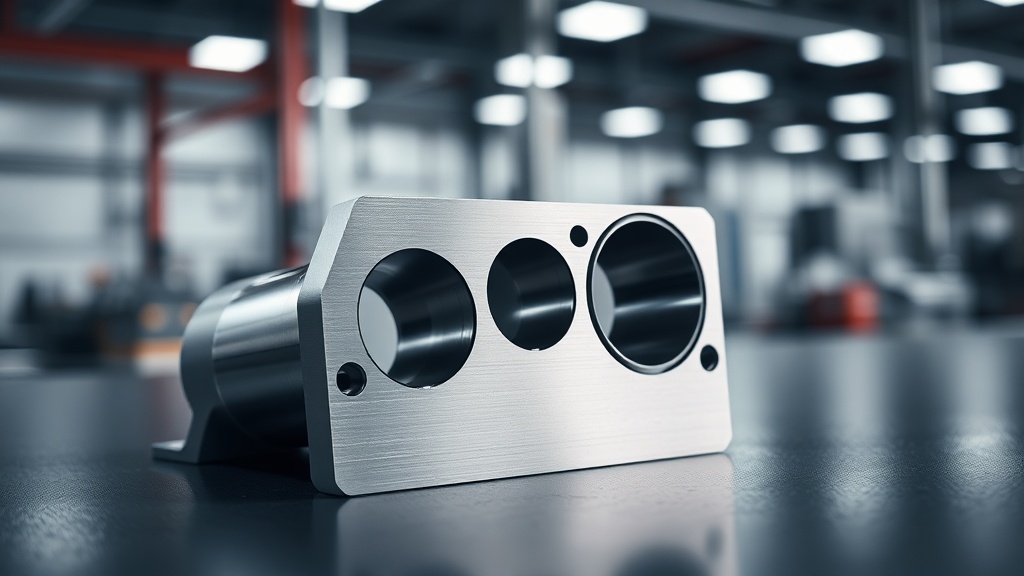
Micro Injection Molding in Canada
Micro injection molding is precision molding at the limits of plastics manufacturing. Specialized micro-presses produce parts at scales where conventional injection molding loses accuracy and at tolerances where the dimensional control of the press, the resolution of the tooling, and the consistency of the material all matter.
Where Micro Molding Wins
Medical microfluidics. Lab-on-a-chip devices, point-of-care diagnostic cartridges, and continuous monitoring sensors with micron-scale fluid channels.
Drug delivery. Insulin pump components, inhaler internals, auto-injector mechanisms with tight-tolerance moving parts.
Hearing aids. Modern hearing aids contain dozens of micro-molded components — housings, sound-port pieces, battery contact frames, vent valves.
Electronics connectors. High-density connectors, fiber-optic alignment components, MEMS device packaging.
Optical components. Precision lenses, light pipes, and waveguides where surface finish and dimensional accuracy are critical.
What Micro-Molding Demands
Specialized tooling. Tools machined or EDM’d to micron-class accuracy, often with single-cavity or family-cavity layouts.
Precision presses. Shot control accurate to ~0.001 cm³, screw diameters from 8–14 mm, fast and precise injection profiles.
Material control. High-temperature engineering polymers (PEEK, ULTEM, LCP) require precise temperature management; flow-length-to-thickness ratios are extreme.
Inspection capability. Optical CMM, contactless measurement, and stereomicroscope inspection are standard at micro-molding shops.
Canadian Micro Molding Capacity
Canadian micro-molding is concentrated in medical-device and electronics manufacturing clusters — Greater Toronto, Montreal, Ottawa-Gatineau, and Vancouver. Capacity is specialized and limited; we route based on material, certification scope, and tolerance class. For non-micro precision injection molding, route to standard injection molding suppliers.
Micro Injection Molding at a Glance
- ISO 9001:2015
- ISO 13485 (Medical)
- USP Class VI (Biocompatibility)
- FDA Registered
Available Materials
Industries We Serve
Frequently Asked Questions
When does a part need micro molding instead of conventional molding?
What's the smallest part that can be micro-molded?
Are micro-molded parts compatible with insert molding?
What materials are used in micro molding?
Get a Micro Molding Quote
Get micro injection molding done right the first time. Join our waitlist and we'll connect you with vetted Canadian suppliers.
Or email us at hello@theassemblystudio.com
Explore More Micro Injection Molding Resources
Injection Molding Services in Canada
Canadian injection molding services for consumer products, medical devices, automotive, and industrial applications. ISO-certified manufacturers with cleanroom capability.
Insert Molding Services in Canada
Canadian insert molding services for metal-to-plastic integration. Threaded inserts, electrical contacts, structural reinforcements, and bushings molded into plastic housings.
Liquid Silicone Rubber (LSR) Molding Services in Canada
Canadian LSR molding for medical, food, and consumer silicone parts. Biocompatible, food-safe, and high-temperature silicone parts from ISO 13485-certified Canadian shops.
Overmolding Services in Canada
Canadian overmolding services for soft-touch grips, multi-material assemblies, and integrated rubber-to-plastic parts. Two-shot and insert overmolding from certified shops.
How to Manufacture Car Parts in Canada
Complete guide to manufacturing automotive parts in Canada. Compare processes, materials, costs, and connect with vetted Canadian auto parts manufacturers.
Manufacturing intel.
Every Tuesday.
Real costs, vetted Canadian suppliers, and government funding alerts. One free email a week.
Unsubscribe anytime. Your data stays in Canada.