Liquid Silicone Rubber (LSR) Molding Services in Canada
Liquid silicone rubber (LSR) molding is the precision process for producing silicone parts at scale. Two-component liquid silicone is metered, mixed, and injected into a heated mold where it cross-links into a finished elastomer part. LSR delivers the unique properties of silicone — biocompatibility, food safety, wide temperature range, chemical resistance, and consistent flexibility — in production quantities and tight tolerances. Canadian LSR capacity supports medical devices, infant care products, food and beverage equipment, and automotive sealing applications.
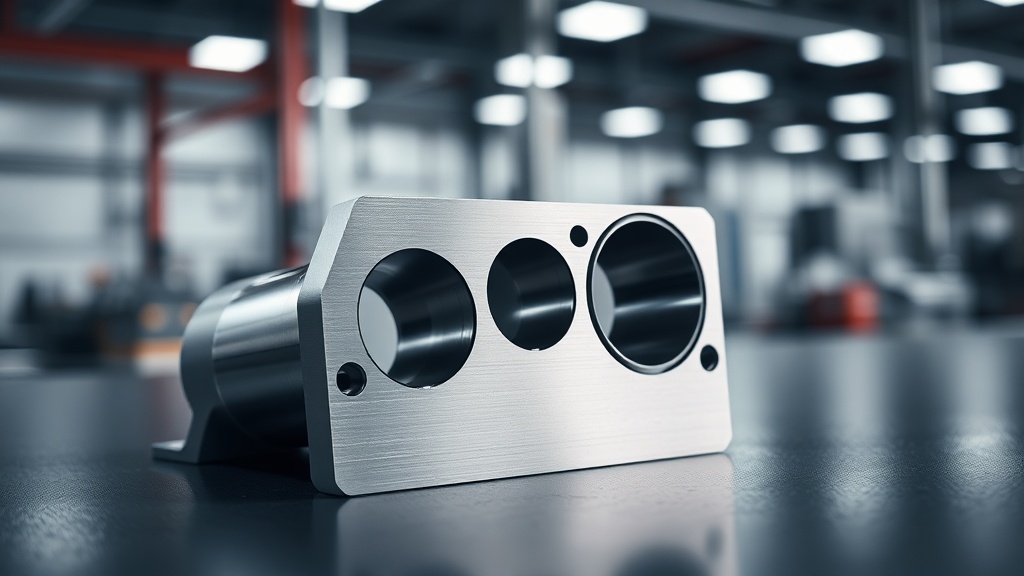
Liquid Silicone Rubber (LSR) Molding in Canada
LSR molding is the production process for silicone parts that need to be precise, biocompatible, food-safe, and produced in quantity. The two-part liquid silicone material is metered, mixed inline, and injected into a heated mold where it cross-links from liquid to solid in seconds. The result: production-grade silicone parts with the geometric precision of injection molding and the unique properties of silicone elastomer.
Where LSR Wins
Medical devices. Surgical valves, respiratory components, infusion-pump seals, baby pacifiers and bottle nipples, dental aligners, hearing aid earpieces. USP Class VI-certified LSR enables Class II and III medical devices.
Food and beverage. Bakeware, kitchen utensils, ice molds, beverage seals, infant feeding bottles, baby pacifiers. FDA-compliant LSR is widely used in Canadian and US-bound food contact applications.
Automotive sealing. Wire harness seals, sensor housings, ignition components, and high-temperature gasket applications where conventional rubber would fail.
Consumer electronics. Waterproofing seals, button overlays, tactile interfaces, and integrated gaskets in connected devices.
Why LSR vs. Compression-Molded Silicone
| Factor | LSR | Compression |
|---|---|---|
| Tolerance | Tighter | Looser |
| Surface finish | Excellent | Variable |
| Cycle time | Fast (seconds) | Slow (minutes) |
| Tooling cost | Higher | Lower |
| Volume sweet spot | High | Low |
LSR wins for production. Compression remains useful for prototypes, very large parts, and very low volumes.
Canadian LSR Network
LSR capacity in Canada is densest in Quebec and Ontario, with ISO 13485-certified medical LSR molders supporting orthopedic, surgical, and dental customers. Food-grade and consumer-product LSR capacity supports kitchenware brands and infant-care manufacturers across the country.
Liquid Silicone Rubber (LSR) Molding at a Glance
- ISO 9001:2015
- ISO 13485 (Medical)
- USP Class VI (Biocompatibility)
- FDA Title 21 CFR 177.2600 (Food Contact)
- IATF 16949 (Automotive)
Available Materials
Industries We Serve
Frequently Asked Questions
How is LSR different from compression-molded silicone?
Is LSR biocompatible and food-safe?
Can LSR be overmolded onto plastic substrates?
What are typical LSR durometer ranges?
Get an LSR Molding Quote
Get liquid silicone rubber (lsr) molding done right the first time. Join our waitlist and we'll connect you with vetted Canadian suppliers.
Or email us at hello@theassemblystudio.com
Explore More Liquid Silicone Rubber (LSR) Molding Resources
Injection Molding Services in Canada
Canadian injection molding services for consumer products, medical devices, automotive, and industrial applications. ISO-certified manufacturers with cleanroom capability.
Insert Molding Services in Canada
Canadian insert molding services for metal-to-plastic integration. Threaded inserts, electrical contacts, structural reinforcements, and bushings molded into plastic housings.
Micro Injection Molding Services in Canada
Canadian micro injection molding for sub-gram precision parts. Medical, electronics, and microfluidic components from specialized Canadian micro-molding shops.
Overmolding Services in Canada
Canadian overmolding services for soft-touch grips, multi-material assemblies, and integrated rubber-to-plastic parts. Two-shot and insert overmolding from certified shops.
How to Manufacture Car Parts in Canada
Complete guide to manufacturing automotive parts in Canada. Compare processes, materials, costs, and connect with vetted Canadian auto parts manufacturers.
Manufacturing intel.
Every Tuesday.
Real costs, vetted Canadian suppliers, and government funding alerts. One free email a week.
Unsubscribe anytime. Your data stays in Canada.