SLS 3D Printing Services in Canada
SLS (selective laser sintering) fuses nylon powder with a high-power laser, building production-grade parts with isotropic mechanical properties and no need for support structures. SLS is the workhorse of low-volume nylon production — geometric complexity is essentially free, parts nest densely in the build chamber, and the material is real engineering nylon, not a UV-cured photopolymer.
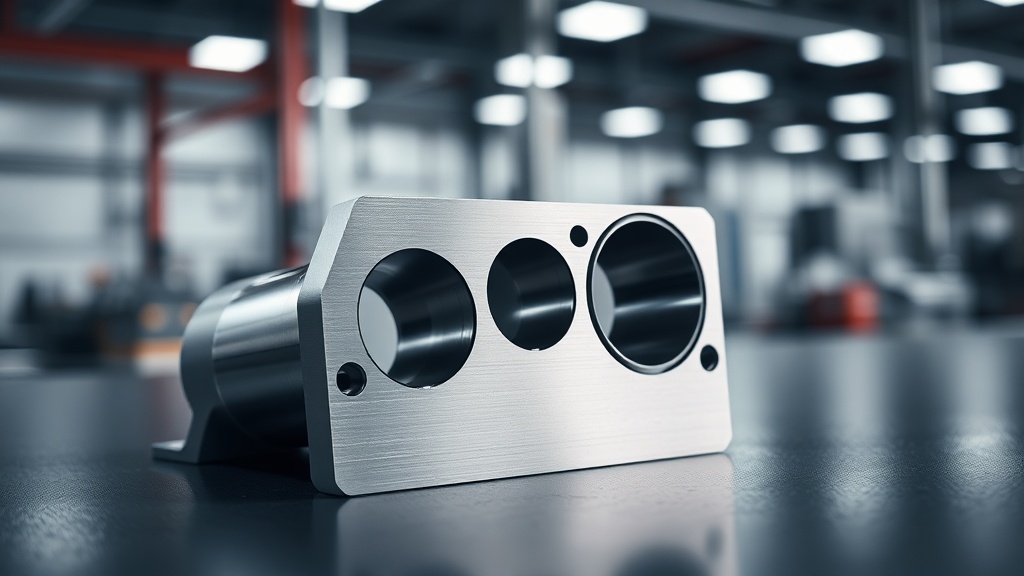
SLS 3D Printing in Canada
SLS is the production process of choice for nylon parts that need real engineering performance and complex geometry without the cost of injection molding tooling. A high-power laser sinters nylon powder layer by layer, building parts inside a bed of unfused powder that supports overhangs and complex internal features.
Where SLS Wins
Low-volume production. Below the volume where injection molding tooling pays back, SLS produces real nylon parts with real mechanical performance.
Complex geometry. Internal channels, lattice structures, integrated assemblies, and undercuts are essentially free in SLS — there is no tool path constraint, no draft angle requirement, and no support structure to clean up.
Functional prototypes that match production. When the production part will be injection-molded nylon, SLS prototypes give you the closest mechanical match available without committing to tooling.
Aerospace and medical applications. AS9100 and ISO 13485-certified Canadian SLS shops produce flight-qualified and medical-grade parts in PA11, PA12, and filled variants.
SLS Material Range
PA12 — workhorse general-purpose engineering nylon. PA11 — bio-based, slightly tougher, often preferred for impact applications. Glass-filled and carbon-filled — stiffer, higher heat-deflection, suitable for structural parts. Flexible TPU / PEBA — elastomeric parts that flex and rebound. Flame-retardant PA12 — aerospace and rail interior applications.
When to Move Off SLS
For visual prototypes and surface-detail work, SLA wins. For higher-volume nylon production, MJF is faster. For metal parts, route to DMLS instead.
SLS 3D Printing at a Glance
- ISO 9001:2015
- ISO 13485 (select shops)
- AS9100 (select shops)
Available Materials
Industries We Serve
Frequently Asked Questions
How is SLS different from FDM?
What's the difference between SLS and MJF?
How does SLS PA12 compare to injection molded nylon?
What surface finish does SLS produce?
Get an SLS 3D Printing Quote
Get sls 3d printing done right the first time. Join our waitlist and we'll connect you with vetted Canadian suppliers.
Or email us at hello@theassemblystudio.com
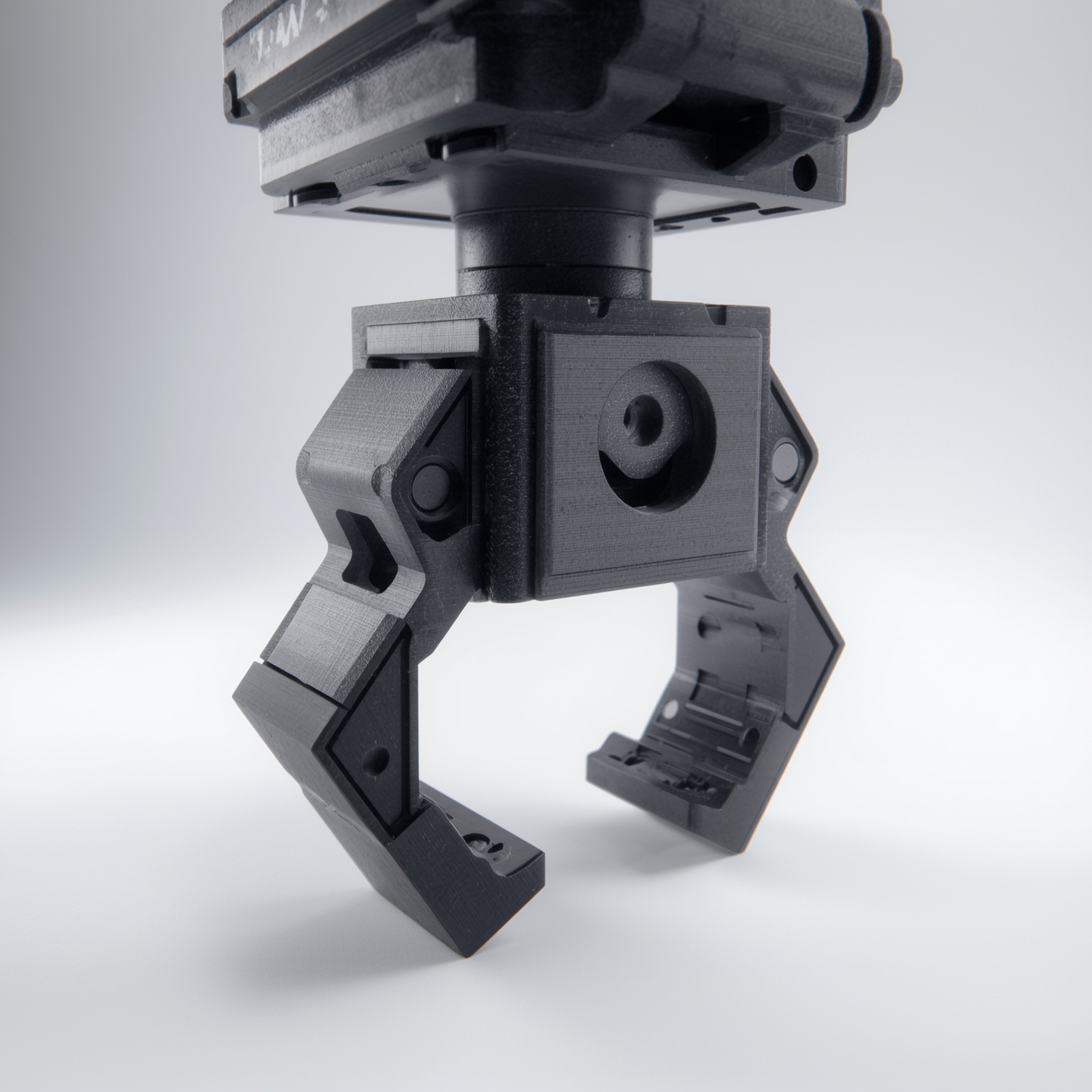
Explore More SLS 3D Printing Resources
3D Printing Services in Canada
Canadian 3D printing services for prototyping and production. FDM, SLS, MJF, SLA, and DMLS from vetted Canadian manufacturers with ISO certification.
DMLS Metal 3D Printing Services in Canada
Canadian DMLS / metal 3D printing for aerospace, medical, and high-performance parts. Titanium, Inconel, stainless, aluminum, and cobalt-chrome from AS9100 and ISO 13485 shops.
FDM 3D Printing Services in Canada
Canadian FDM 3D printing services for functional prototypes, jigs and fixtures, and low-volume production. ABS, PETG, Nylon, PEEK, and ULTEM from vetted Canadian shops.
MJF (Multi Jet Fusion) 3D Printing Services in Canada
Canadian HP Multi Jet Fusion 3D printing for production-grade nylon parts. Fast turnaround, fine surface finish, and high-volume nylon production from Canadian shops.
How to Manufacture Car Parts in Canada
Complete guide to manufacturing automotive parts in Canada. Compare processes, materials, costs, and connect with vetted Canadian auto parts manufacturers.
Manufacturing intel.
Every Tuesday.
Real costs, vetted Canadian suppliers, and government funding alerts. One free email a week.
Unsubscribe anytime. Your data stays in Canada.