FDM 3D Printing Services in Canada
FDM (fused deposition modeling) is the most accessible and most widely deployed 3D printing process in Canada. Heated nozzles extrude thermoplastic filament layer by layer, building parts in a wide range of engineering materials at a wide range of price points. FDM is the right tool for functional prototypes, factory jigs and fixtures, end-use industrial parts, and any application where mechanical performance, material variety, or cost dominates over surface finish.
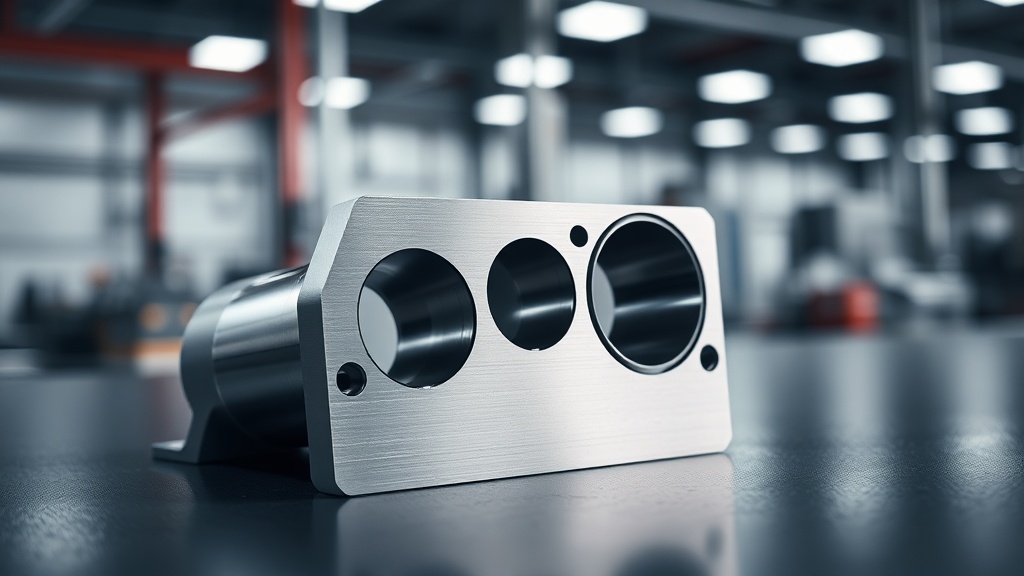
FDM 3D Printing in Canada
FDM is the original and still the most widely deployed 3D printing process. A heated nozzle extrudes thermoplastic filament along a programmed path, building the part layer by layer. Industrial FDM machines deliver real engineering thermoplastics — Polycarbonate, ULTEM, PEEK — at industrial scale, while accessible desktop FDM handles prototyping and low-tolerance work.
Where FDM Wins
Engineering prototypes. Real material properties for functional testing. PETG and Nylon prototypes can be tested under load before tooling is committed.
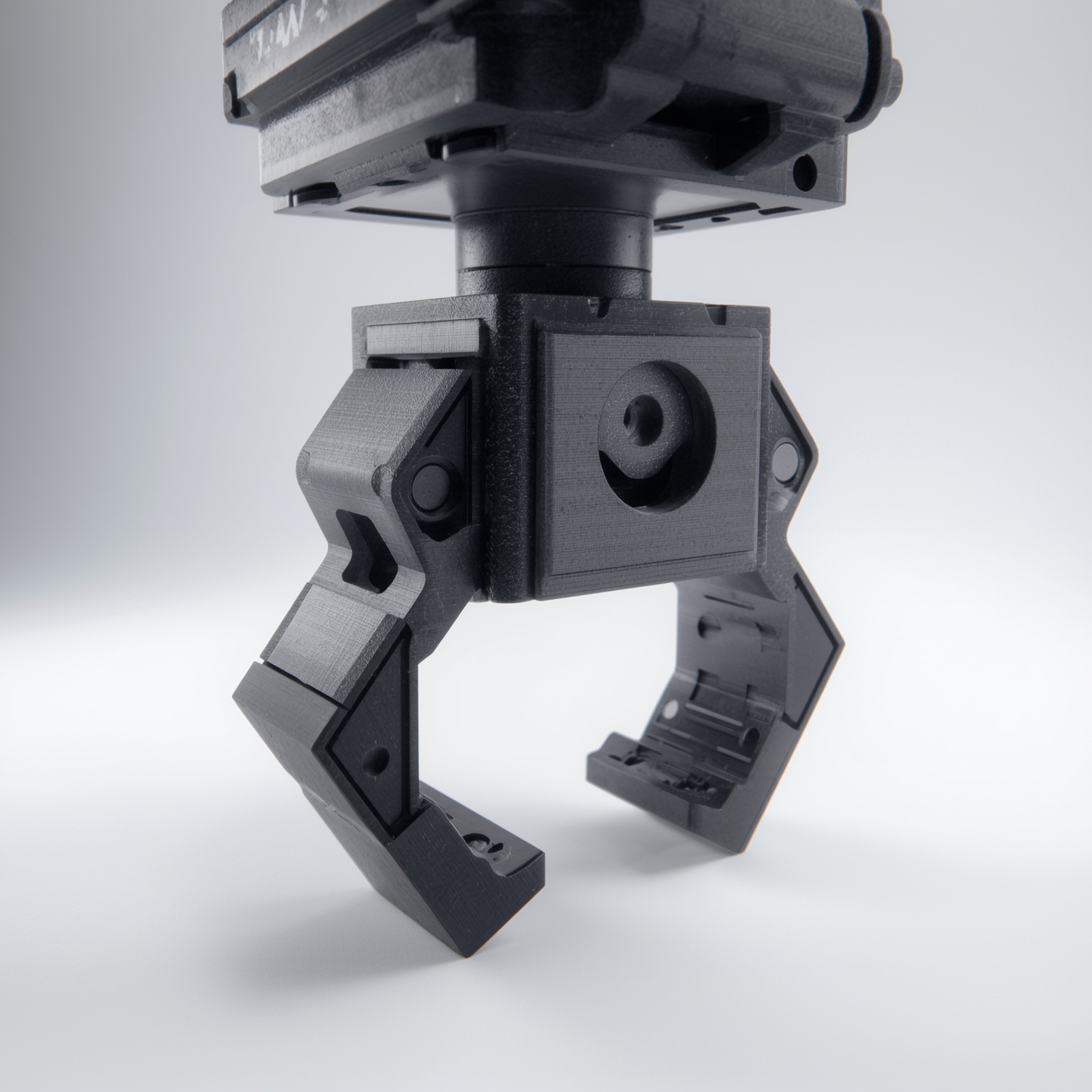
Jigs, fixtures, and tooling. End-of-arm tooling, assembly fixtures, inspection jigs, and short-run molds for low-volume production. ULTEM 9085 jigs survive the factory floor.
Aerospace and defence interior parts. Flight-qualified ULTEM 9085 has been on commercial aircraft for over a decade. Canadian aerospace customers in Quebec and Ontario use FDM extensively.
Replacement parts and short-run production. Out-of-production OEM parts, custom replacements, and low-volume production where tooling investment is not justified.
Industrial vs. Desktop FDM
| Class | Strength | Use Case |
|---|---|---|
| Industrial FDM | High-temp materials, sealed chamber, soluble supports | Aerospace, medical, production tooling |
| Desktop FDM | Low cost, fast turnaround, accessible materials | Prototypes, internal-use parts, education |
We route based on the material, tolerance, and certification needs of your specific job.
Material Selection
General prototyping — PLA, PETG, ABS. Functional prototypes — Nylon, Polycarbonate, ASA. Engineering and industrial — ULTEM 9085, ULTEM 1010, PEEK. Flexible parts — TPU.
For finer surface detail than FDM provides, route to SLA or SLS instead.
FDM 3D Printing at a Glance
- ISO 9001:2015
- AS9100 (Aerospace, select shops)
- ISO 13485 (Medical, select shops)
Available Materials
Industries We Serve
Frequently Asked Questions
When is FDM the right 3D printing process?
Can FDM produce aerospace-qualified parts?
What's the difference between desktop and industrial FDM?
How do FDM parts perform vs. injection molded parts?
Get an FDM 3D Printing Quote
Get fdm 3d printing done right the first time. Join our waitlist and we'll connect you with vetted Canadian suppliers.
Or email us at hello@theassemblystudio.com
Explore More FDM 3D Printing Resources
3D Printing Services in Canada
Canadian 3D printing services for prototyping and production. FDM, SLS, MJF, SLA, and DMLS from vetted Canadian manufacturers with ISO certification.
DMLS Metal 3D Printing Services in Canada
Canadian DMLS / metal 3D printing for aerospace, medical, and high-performance parts. Titanium, Inconel, stainless, aluminum, and cobalt-chrome from AS9100 and ISO 13485 shops.
MJF (Multi Jet Fusion) 3D Printing Services in Canada
Canadian HP Multi Jet Fusion 3D printing for production-grade nylon parts. Fast turnaround, fine surface finish, and high-volume nylon production from Canadian shops.
SLA 3D Printing Services in Canada
Canadian SLA (stereolithography) 3D printing for high-detail prototypes, master patterns, and dental/medical applications. Full resin material range from Canadian shops.
How to Manufacture Car Parts in Canada
Complete guide to manufacturing automotive parts in Canada. Compare processes, materials, costs, and connect with vetted Canadian auto parts manufacturers.
Manufacturing intel.
Every Tuesday.
Real costs, vetted Canadian suppliers, and government funding alerts. One free email a week.
Unsubscribe anytime. Your data stays in Canada.