SLA 3D Printing Services in Canada
SLA (stereolithography) cures liquid photopolymer resin layer by layer with a UV laser or LCD light source. The result is a part with the finest surface finish and tightest feature resolution of any common 3D printing process — ideal for visual prototypes, master patterns for casting, fit-check models, dental applications, and any part where surface detail matters more than mechanical strength.
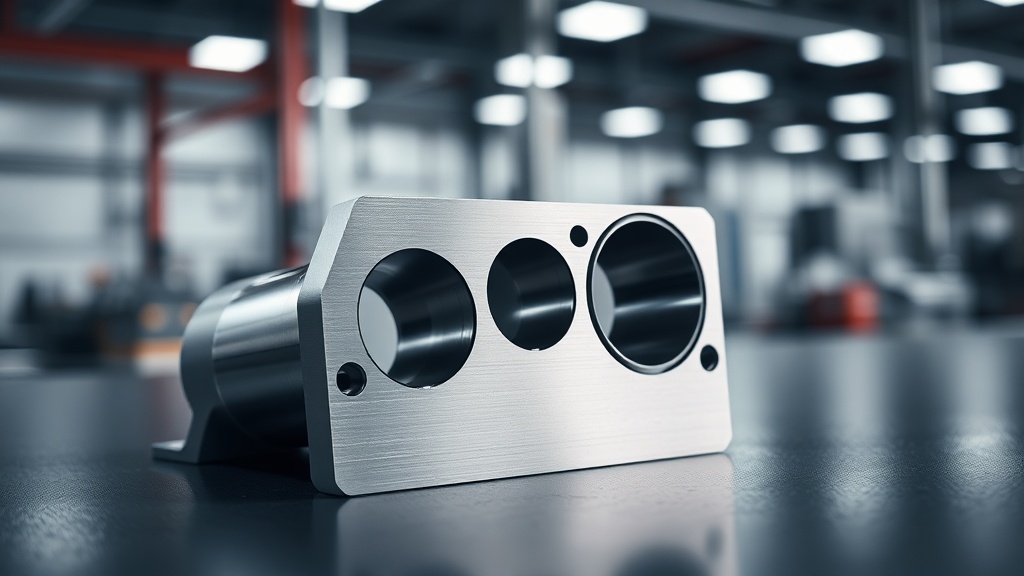
SLA 3D Printing in Canada
SLA was the first 3D printing technology and remains the gold standard for surface finish and feature resolution. A UV laser (or, in modern LCD machines, a high-resolution screen) cures liquid photopolymer one layer at a time, producing parts with smooth surfaces, fine details, and extremely tight feature accuracy.
Where SLA Wins
Visual prototypes and design verification. Industrial design teams use SLA to validate aesthetic and ergonomic decisions before committing to tooling.
Dental and orthodontic. Crowns, bridges, surgical guides, models, and aligner-printing patterns. Canadian dental SLA capacity is well-developed in major urban centres.
Jewelry and investment casting patterns. Castable resins burn out cleanly, leaving cavities that produce high-fidelity cast jewelry, dental, and turbine blade patterns.
Master patterns for low-volume molding. Silicone molding and short-run urethane casting use SLA-printed masters extensively.
SLA Material Categories
Standard resin — visual prototypes and design verification. Tough and durable resins — functional prototypes that must survive testing. High-temp resin — molds and patterns for short-run production. Castable resin — jewelry, dental, and investment casting patterns. Bio-compatible / dental resins — Class I medical and dental devices.
Limitations of SLA
UV degradation. Photopolymers continue to react with sunlight over time. Long-life outdoor parts should not use SLA.
Mechanical performance. Even tough resins do not match thermoplastic mechanical properties. For production functional parts, use SLS, MJF, or injection molding.
Build size. Most production SLA machines have build envelopes under 300 x 300 x 400 mm. For larger parts route to FDM or SLS.
SLA 3D Printing at a Glance
- ISO 9001:2015
- ISO 13485 (Medical/Dental, select shops)
Available Materials
Industries We Serve
Frequently Asked Questions
When is SLA the right 3D printing process?
How do SLA parts compare to FDM in surface finish?
Are SLA parts strong enough for functional use?
Can SLA produce dental and medical parts in Canada?
Get an SLA 3D Printing Quote
Get sla 3d printing done right the first time. Join our waitlist and we'll connect you with vetted Canadian suppliers.
Or email us at hello@theassemblystudio.com
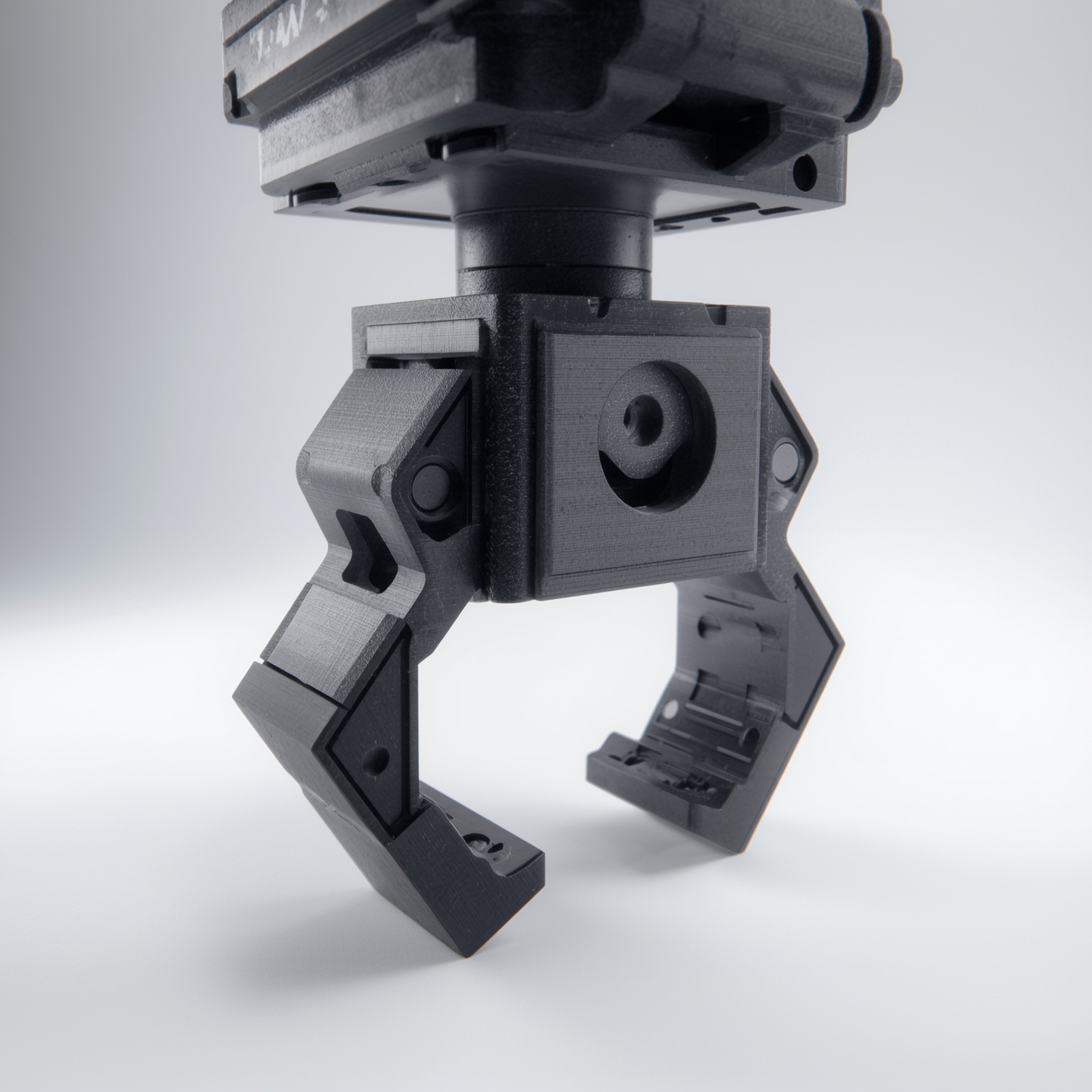
Explore More SLA 3D Printing Resources
3D Printing Services in Canada
Canadian 3D printing services for prototyping and production. FDM, SLS, MJF, SLA, and DMLS from vetted Canadian manufacturers with ISO certification.
DMLS Metal 3D Printing Services in Canada
Canadian DMLS / metal 3D printing for aerospace, medical, and high-performance parts. Titanium, Inconel, stainless, aluminum, and cobalt-chrome from AS9100 and ISO 13485 shops.
FDM 3D Printing Services in Canada
Canadian FDM 3D printing services for functional prototypes, jigs and fixtures, and low-volume production. ABS, PETG, Nylon, PEEK, and ULTEM from vetted Canadian shops.
MJF (Multi Jet Fusion) 3D Printing Services in Canada
Canadian HP Multi Jet Fusion 3D printing for production-grade nylon parts. Fast turnaround, fine surface finish, and high-volume nylon production from Canadian shops.
How to Manufacture Car Parts in Canada
Complete guide to manufacturing automotive parts in Canada. Compare processes, materials, costs, and connect with vetted Canadian auto parts manufacturers.
Manufacturing intel.
Every Tuesday.
Real costs, vetted Canadian suppliers, and government funding alerts. One free email a week.
Unsubscribe anytime. Your data stays in Canada.