TIG Welding (GTAW) Services in Canada
TIG welding (gas tungsten arc welding) is precision joining. A non-consumable tungsten electrode and manually fed filler rod deliver clean, controlled welds on materials and joints where cosmetic quality, X-ray integrity, or material compatibility rules out faster processes. Canadian TIG capacity supports aerospace, food and pharma, medical, and architectural fabrication — anywhere weld quality is non-negotiable.
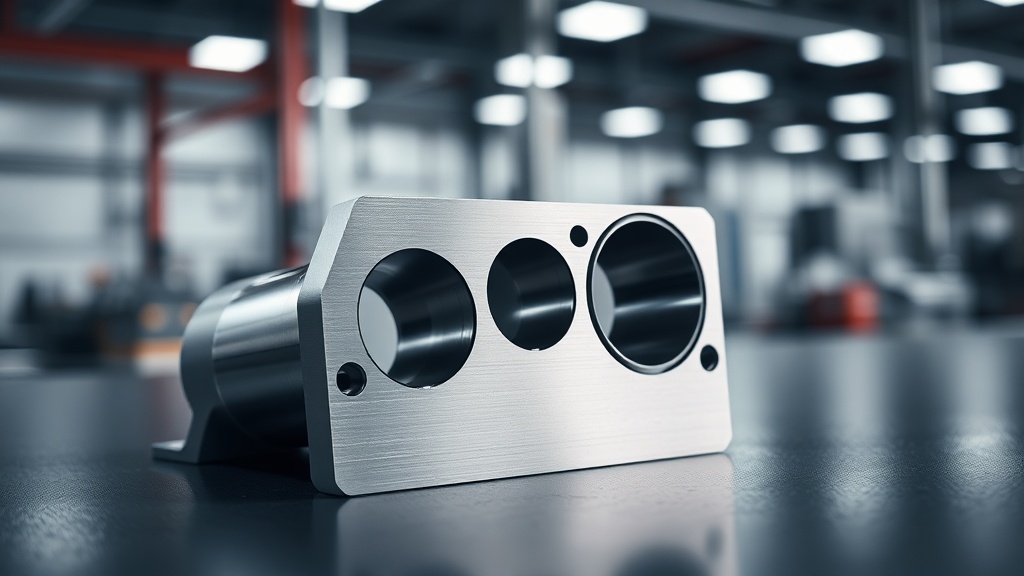
TIG Welding in Canada
TIG welding is the precision specialist of the welding world. The arc is small, the heat input is low, the filler rod is fed manually, and the operator controls every variable in real time. The result: clean, consistent, X-ray-quality welds that no faster process can match.
Where TIG Is Required
Aerospace structural joints. Titanium and aluminum airframes, exhaust systems, and high-temperature alloy joints all require TIG quality.
Food, pharma, and biotech. Sanitary 316L tubing welded to AWS D18.1 standards. Inside-bore weld quality matters for clean-in-place operations.
Pressure vessels and process piping. ASME Section IX-qualified TIG procedures are mandatory for many code applications.
Cosmetic and architectural. Polished stainless rails, sculptural assemblies, and cosmetic-finish weldments where the weld is visible and must be cleaner than MIG can deliver.
Canadian TIG Specialties
Aerospace TIG is densest in Quebec (Montreal aerospace cluster) and Ontario, with NADCAP and AS9100D shops near Mirabel, Toronto, and Winnipeg.
Sanitary food and pharma TIG is well-represented near major dairy, food-processing, and biotech plants in Quebec, Ontario, and BC. Many shops run dedicated orbital cells.
High-purity gas system TIG supports Canadian semiconductor, fuel cell, and hydrogen-energy customers.
When to Move Off TIG
For high-volume production work on steel and aluminum, MIG is faster and cheaper. For repeatable production joints, robotic welding (often with TIG torches) preserves quality while eliminating operator variability.
TIG Welding (GTAW) at a Glance
- CWB W47.1 / W47.2
- AWS D17.1 (Aerospace)
- ASME Section IX (Pressure Vessel)
- AWS D18.1 (Sanitary Tubing)
- NADCAP Welding
- ISO 9001:2015
Available Materials
Industries We Serve
Frequently Asked Questions
What materials require TIG specifically?
How thin can TIG weld?
Why is TIG more expensive than MIG?
Is orbital TIG available in Canada?
Get a TIG Welding Quote
Get tig welding (gtaw) done right the first time. Join our waitlist and we'll connect you with vetted Canadian suppliers.
Or email us at hello@theassemblystudio.com
Explore More TIG Welding (GTAW) Resources
Welding & Fabrication Services in Canada
Canadian welding and fabrication services including MIG, TIG, robotic, and structural welding. CWB-certified shops for prototypes to production assemblies.
Laser Welding Services in Canada
Canadian laser welding services with low heat input and high speed. Fiber and Nd:YAG laser welding for medical, electronics, automotive, and aerospace assemblies.
MIG Welding Services in Canada
Canadian MIG welding (GMAW) services for steel and aluminum production fabrication. CWB W47.1 and W47.2-certified shops with high-deposition production capacity.
Orbital Welding Services in Canada
Canadian orbital TIG welding for sanitary tubing, high-purity gas, semiconductor, food, pharma, and biotech systems. AWS D18.1 and ASME BPE-qualified shops.
Manufacturing intel.
Every Tuesday.
Real costs, vetted Canadian suppliers, and government funding alerts. One free email a week.
Unsubscribe anytime. Your data stays in Canada.