MIG Welding (GMAW) Services in Canada
MIG welding (gas metal arc welding) is the production workhorse of Canadian fabrication. A continuous wire electrode and shielding gas deliver high deposition rates on steel and aluminum, making MIG the default process for structural fabrication, weldments, frames, enclosures, and any high-volume joining job. CWB W47.1 (steel) and W47.2 (aluminum) certifications are standard at production-grade Canadian MIG shops.
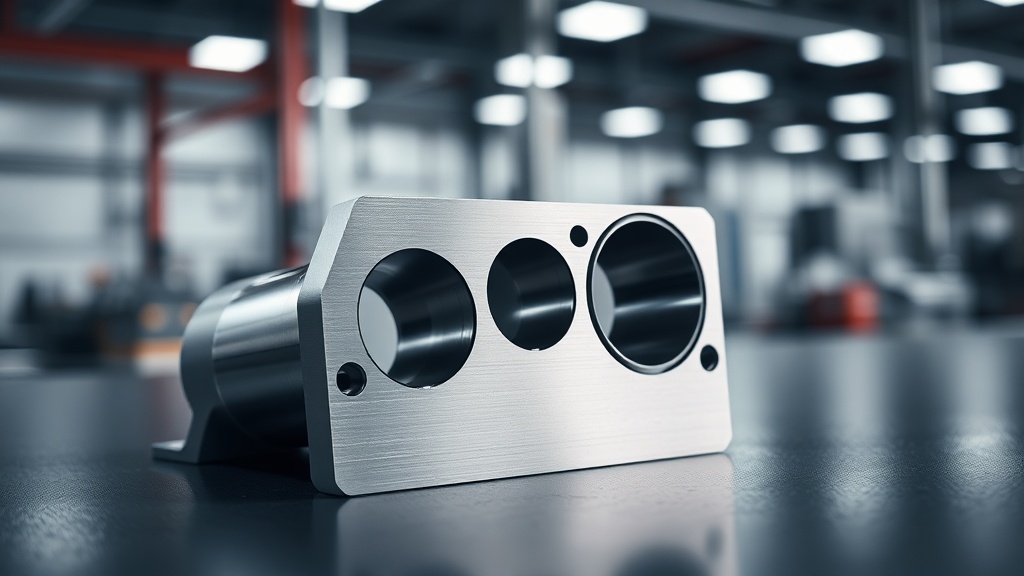
MIG Welding in Canada
MIG (gas metal arc welding) is the volume process of Canadian fabrication. A wire feeder pushes a consumable electrode through the welding torch, where it melts into the joint while a shielding gas blanket protects the molten weld pool. The result: high deposition, predictable quality, and operator-friendly speed that scales from one-off weldments to production lines running thousands of identical assemblies.
What MIG Is Best At
Structural fabrication. Frames, weldments, lifting equipment, mining gear, agricultural equipment, trailers, and any structural steel assembly where strength and weld throat dominate over cosmetic appearance.
Production speed. MIG deposition rates outpace TIG by 3–5x on equivalent material. For high-volume work, MIG is almost always the right economic choice.
Robotic adaptation. Modern MIG processes (pulsed, RMD, surface tension transfer) are robot-friendly. See our robotic welding page for production automation.
Canadian MIG Capacity
CWB W47.1 (steel) certification is held by the majority of structural fabricators across Canada. W47.2 (aluminum) is more specialized but well-represented in shops serving aerospace, marine, and high-end transportation. Heavy-plate MIG capacity concentrates in Alberta (oil and gas), Ontario and Quebec (manufacturing), and Saskatchewan and Manitoba (agricultural and mining equipment).
When to Move Off MIG
If welds need to be cosmetically perfect, joining material thinner than ~1.5 mm, or working in stainless or titanium with surgical cleanliness, TIG is the better tool. For production-volume aluminum panels and similar work, laser welding often beats MIG on speed and heat input.
MIG Welding (GMAW) at a Glance
- CWB W47.1 (Fusion Welding of Steel)
- CWB W47.2 (Aluminum Welding)
- CSA W59 (Structural Steel)
- AWS D1.1 (Structural)
- AWS D1.2 (Aluminum Structural)
- ISO 9001:2015
Available Materials
Industries We Serve
Frequently Asked Questions
When is MIG the right choice over TIG?
What's the maximum thickness MIG can weld in a single pass?
Do I need CWB certification for my MIG-welded parts?
Can MIG handle aluminum?
Get a MIG Welding Quote
Get mig welding (gmaw) done right the first time. Join our waitlist and we'll connect you with vetted Canadian suppliers.
Or email us at hello@theassemblystudio.com
Explore More MIG Welding (GMAW) Resources
Welding & Fabrication Services in Canada
Canadian welding and fabrication services including MIG, TIG, robotic, and structural welding. CWB-certified shops for prototypes to production assemblies.
Laser Welding Services in Canada
Canadian laser welding services with low heat input and high speed. Fiber and Nd:YAG laser welding for medical, electronics, automotive, and aerospace assemblies.
Orbital Welding Services in Canada
Canadian orbital TIG welding for sanitary tubing, high-purity gas, semiconductor, food, pharma, and biotech systems. AWS D18.1 and ASME BPE-qualified shops.
Robotic Welding Services in Canada
Canadian robotic welding for high-volume production. Six-axis robotic MIG and TIG cells with CWB-qualified procedures and consistent weld quality at scale.
Manufacturing intel.
Every Tuesday.
Real costs, vetted Canadian suppliers, and government funding alerts. One free email a week.
Unsubscribe anytime. Your data stays in Canada.