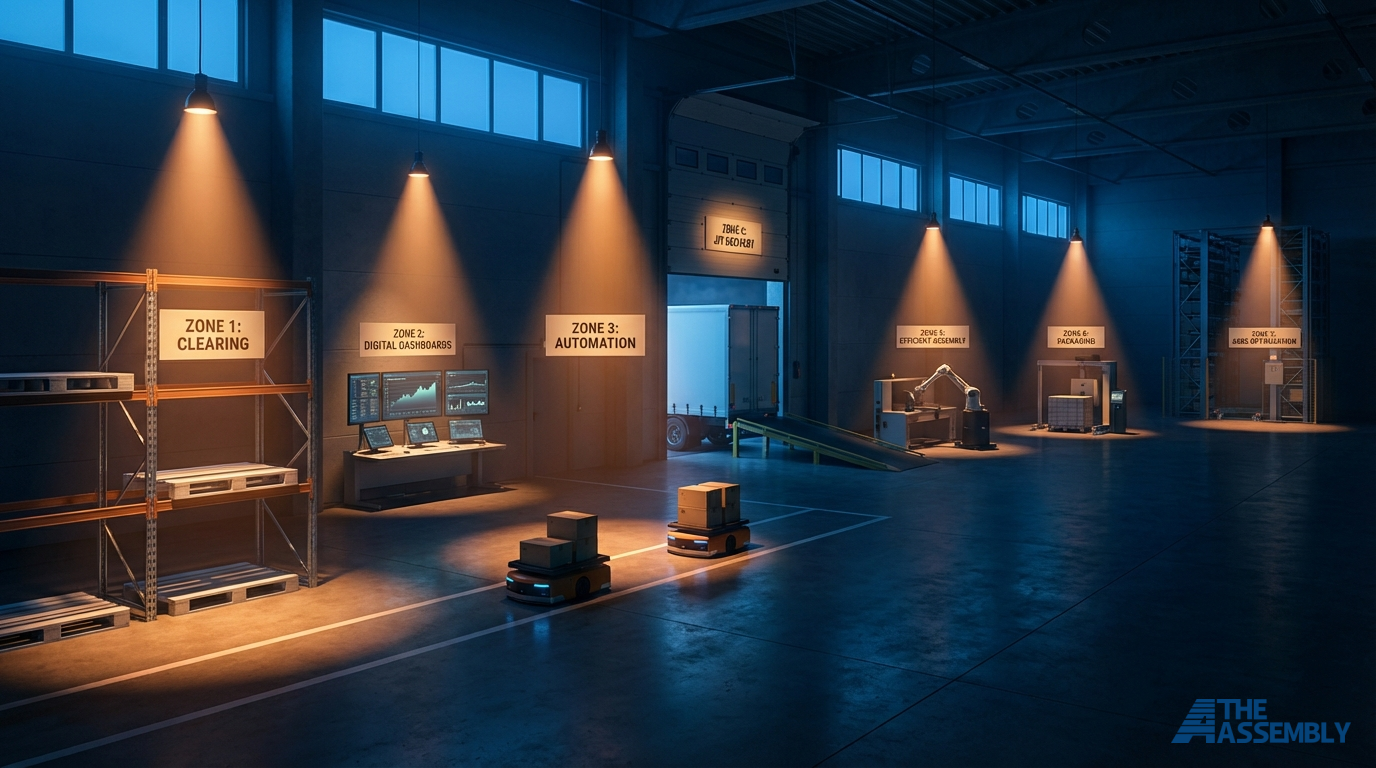
The Essential Guide to Canadian Manufacturing Today
Canadian manufacturing drives hundreds of billions of dollars in economic activity each year, yet many business leaders still struggle to navigate the sector’s rapid transformation. Whether you’re an operator looking to cut costs, an investor evaluating opportunities, or a supply chain manager rethinking your sourcing strategy, understanding what’s happening on the factory floor today determines whether you stay competitive tomorrow.
This guide walks you through the current state of the sector, the forces reshaping production across the country, and the concrete steps you can take to position your operations for growth. You’ll come away with a clear framework for adopting modern manufacturing practices, from digitizing inventory to leveraging on-demand production networks.
Step 1: Understand the Current State of Canadian Manufacturing
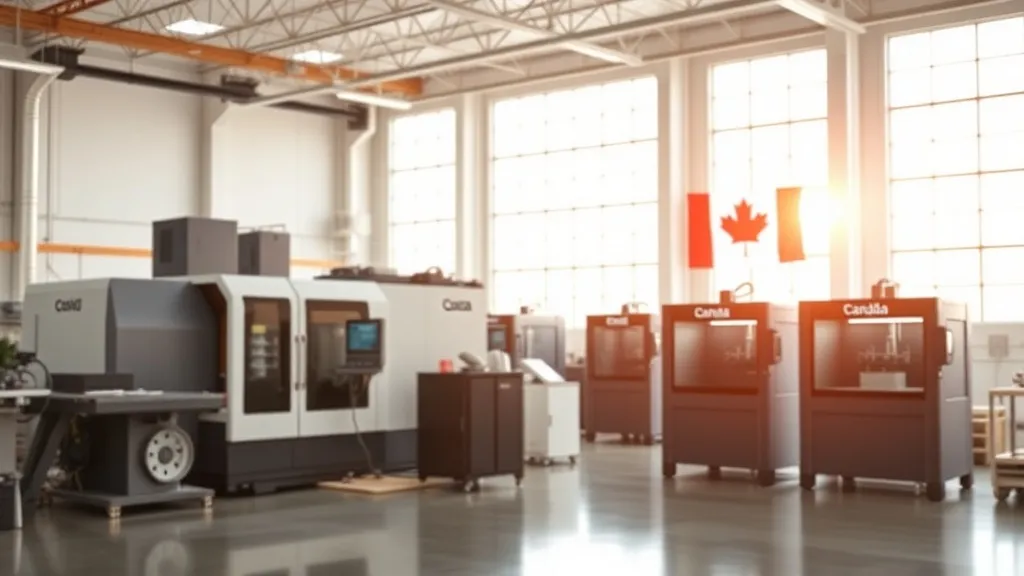
Before making any strategic moves, you need a clear picture of where the industry stands right now. The numbers tell a story of resilience mixed with real pressure.
Key Metrics Shaping the Canadian Manufacturing Landscape
According to Statistics Canada, Canadian manufacturing sales totalled C$848.7 billion in 2025, a 0.4% decrease from 2024. That slight contraction reflects ongoing headwinds from trade uncertainty, shifting global supply chains, and rising input costs. However, the sector remains one of the largest contributors to GDP and a critical source of high-value employment.
On a more encouraging note, S&P Global survey data shows the Canada Manufacturing PMI climbed to 51.0 in February 2026, up from 50.4 in January, signalling a return to expansion territory. For operators, this means demand conditions are improving and the window for strategic investment is opening.
The labour picture adds urgency to the equation. Statistics Canada reports that payroll employment in Canadian manufacturing was just over 1.5 million in December 2025, down 40,600 from December 2024. Fewer workers on the floor means you need smarter systems, not just more hiring.
Step 2: Modernize Your Canadian Manufacturing Operations
Understanding the landscape is the first step. Transforming your own operations is where real competitive advantage lives. Modernization doesn’t require tearing everything down and starting over. It starts with targeted, high-impact changes.
Digitize Your Inventory and Production Files
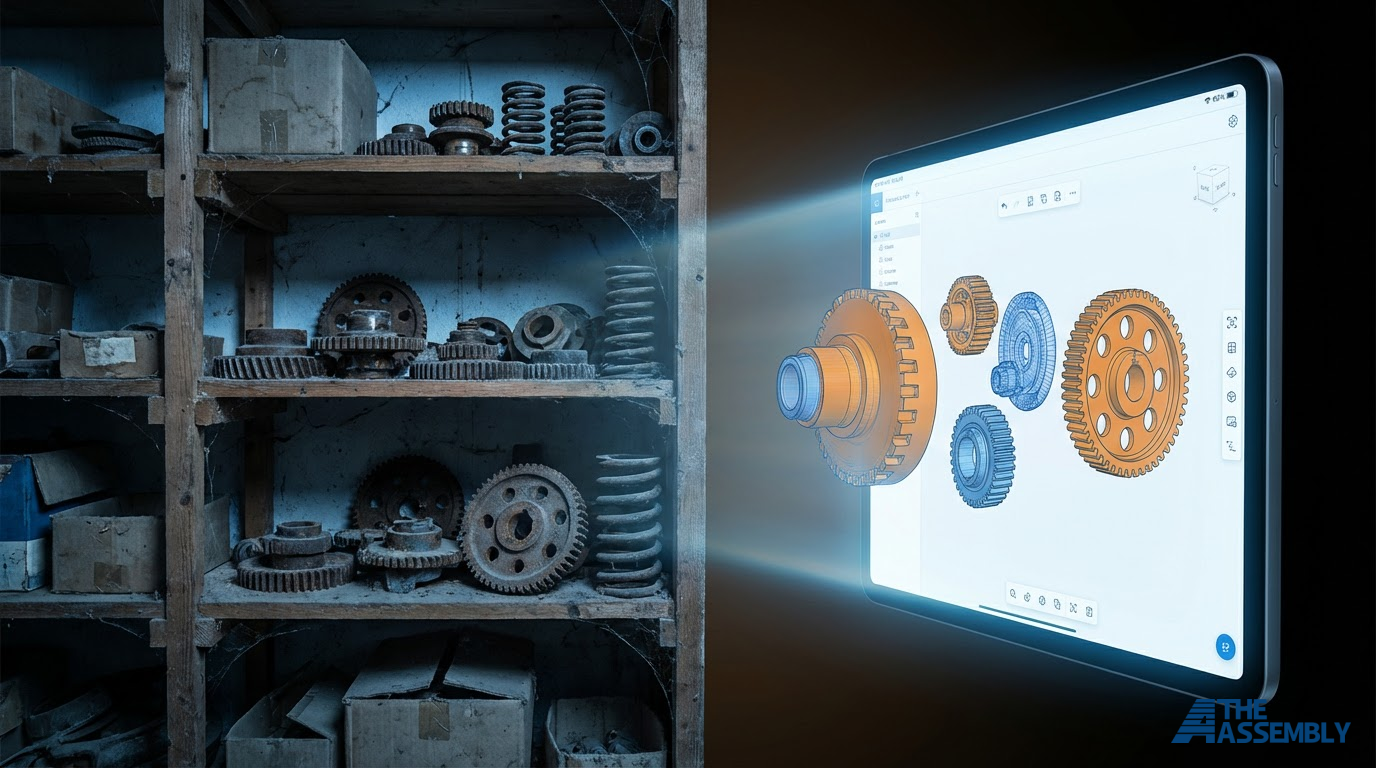
One of the most overlooked drains on profitability is slow-moving physical inventory. Warehousing costs, obsolescence risk, and long lead times erode margins quietly. The modern approach converts physical parts and products into digital files, enabling production only when demand exists.
This on-demand model eliminates the need to carry large inventories and dramatically reduces waste. Companies using digital inventory systems report faster turnaround on custom orders and far less capital locked up in storage. For businesses managing complex part libraries, digital conversion is no longer optional.
Adopt Advanced Manufacturing Technologies
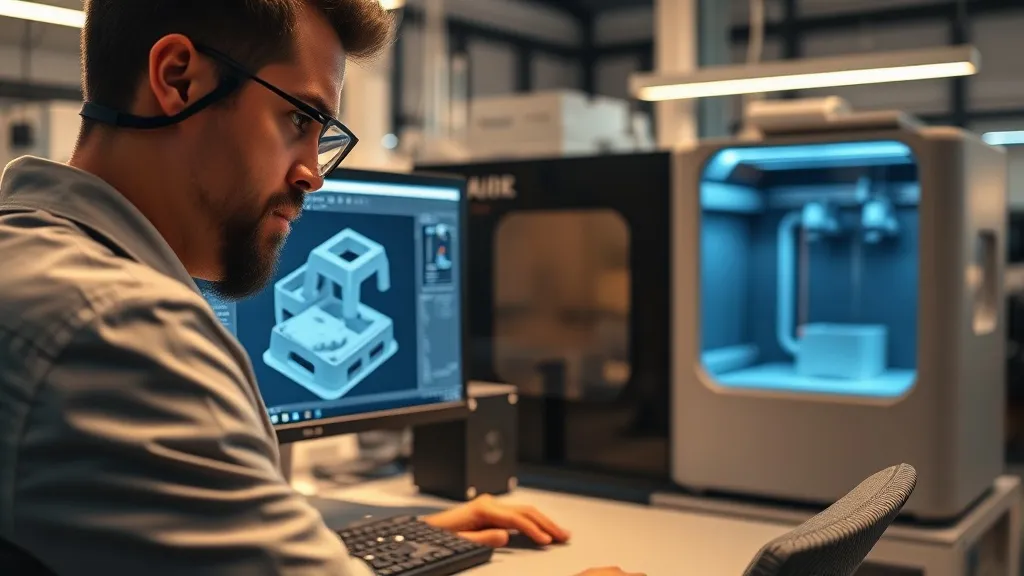
Automation, robotics, additive manufacturing, and AI-driven quality control represent the next frontier. These aren’t futuristic concepts reserved for multinationals. Small and mid-sized Canadian manufacturers increasingly adopt technologies like SLS (Selective Laser Sintering) nylon printing and CNC automation to produce parts faster and with tighter tolerances.
The key is starting with your highest-volume, highest-waste processes. Identify where manual labour creates bottlenecks or quality inconsistencies, then evaluate which technologies address those specific pain points. A phased approach, starting with one production line or part family, keeps risk manageable while building internal capability.
Step 3: Leverage Canadian Manufacturing Networks for On-Demand Production
No single facility can master every manufacturing process. The smartest operators today tap into distributed production networks that match each job to the right capability, material, and timeline. This approach turns fixed overhead into variable cost and unlocks access to specialized equipment without capital expenditure.

Build a Resilient Supply Chain with Domestic Producers
Trade tensions and global logistics disruptions have made reshoring a strategic priority. Working with a domestic network of producers across Canada shortens lead times, reduces shipping risk, and simplifies compliance with Canadian standards. It also builds the kind of supply chain resilience that offshore-dependent competitors simply cannot match.
When evaluating potential production partners, prioritize those offering digital file compatibility, transparent pricing, and the ability to scale from prototyping to mass production without switching vendors. Consistency across your supply chain reduces quality variance and speeds time-to-market.
Federal programs are also accelerating this shift. According to Innovation, Science and Economic Development Canada, initiatives like CANEXPAND pair anchor firms with technology-adoption hubs focused on robotics, additive manufacturing, and digital skills. Participating companies target over 15% annual growth while diversifying their export footprint. Taking advantage of these programs can offset adoption costs significantly.
Step 4: Take Action in Canadian Manufacturing Today
Knowing what to do matters far less than actually doing it. Here’s a practical checklist to move from planning to execution.
- Audit your current inventory: Identify slow-moving SKUs and parts that could transition to digital files and on-demand production.
- Evaluate your technology stack: Map each production process against available automation and additive manufacturing options. Prioritize the highest-impact upgrades first.
- Connect with domestic production networks: Build relationships with Canadian manufacturers who offer digital-first, on-demand capabilities across multiple materials and processes.
- Explore government incentives: Research programs like CANEXPAND, SR&ED tax credits, and provincial manufacturing grants that reduce the cost of modernization.
- Set measurable targets: Define clear KPIs for inventory carrying cost reduction, lead time improvement, and production waste elimination within 90-day sprints.
The Canadian manufacturing sector rewards operators who combine strategic clarity with decisive action. The tools, networks, and incentives already exist. Your competitive edge comes from how quickly you deploy them.
If you’re ready to eliminate inventory carrying costs and shift to an on-demand production model, The Assembly helps businesses convert slow-moving inventory into digital files and manufacture through a Canadian production network. Reach out to start the conversation and see how on-demand manufacturing can transform your operations.
Frequently Asked Questions
How do I decide which parts are best to move to an on-demand model first?
Start with parts that have unpredictable demand, frequent revisions, or high storage and handling complexity. Prioritize items that cause stockouts or tie up cash in low-turn inventory, then validate feasibility based on material, tolerance, and certification requirements.
What change management steps help teams adopt digital manufacturing workflows successfully?
Define clear roles for engineering, procurement, and quality, then document a simple request-to-quote-to-release workflow. Pair short training sessions with a pilot program so teams can learn the new process while still hitting production deadlines.
How should I evaluate the ROI of automation or additive manufacturing beyond unit cost?
Include the value of reduced downtime, fewer quality escapes, faster engineering changes, and lower expediting spend. Many wins show up as improved throughput and service levels, not just a cheaper part.
What cybersecurity and IP protections should be in place when sharing CAD files with external manufacturers?
Use access controls, encrypted file transfer, and supplier agreements that define ownership, permitted use, and retention policies. For sensitive designs, consider watermarking, segmented drawings, or limited-scope manufacturing packages that reveal only what a supplier needs.
How can manufacturers improve ESG performance without major capital projects?
Focus on quick operational levers such as scrap reduction, right-sizing batch runs, and switching to recyclable or lower-impact packaging. You can also track energy use by process step to identify the few operations that drive most of your footprint.
What quality systems should I look for when choosing a Canadian manufacturing partner?
Ask about documented inspection plans, traceability practices, calibration routines, and nonconformance handling. Depending on your industry, confirm relevant certifications or equivalents, plus evidence of consistent process control, not just final inspection.
How do I prepare my product design for manufacturability across multiple processes like CNC and 3D printing?
Create a baseline design, then develop process-specific variants with clear tolerance and surface finish requirements. Early DFM reviews with suppliers help you standardize features, reduce custom tooling needs, and avoid redesigns late in the release cycle.