Nylon (PA6 / PA66) in Canadian Manufacturing
Nylon (polyamide) is the default engineering thermoplastic for parts that need toughness, wear resistance, and self-lubrication. PA6 and PA66 dominate moulded structural parts; cast nylon (Nylatron, Cast Nylon 6) is the standard machining stock. Glass-filled and impact-modified grades extend nylon into demanding automotive, industrial, and aerospace applications.
Nylon in Canadian Manufacturing
Nylon is the engineering thermoplastic that quietly runs much of Canadian industry. Auto-parts plants in southern Ontario mould millions of glass-filled nylon brackets, intake manifolds, and cooling-system components every year. Cast-nylon machining shops in Quebec and BC produce gears, bushings, and wear pads for industrial equipment. SLS service bureaus print PA12 functional prototypes for design-engineering teams across the country.
Why Nylon Beats the Alternatives
The combination of mechanical strength, fatigue resistance, self-lubrication, and chemical resistance puts nylon in a category no other commodity engineering plastic occupies. Gears made from nylon run quieter and last longer than steel gears in low-load applications. Bushings made from cast nylon eliminate the need for grease in many low-speed sliding contacts. Glass-filled PA66 brackets carry structural loads at temperatures where ABS and polypropylene fail.
PA6 / PA66 / PA12 — Choosing the Right Grade
PA66 is the high-temperature workhorse — automotive under-hood, appliance components running near 100 °C, structural gears. PA6 is the easier-to-mould general-purpose grade — consumer products, cable ties, electrical hardware. PA12 has the lowest moisture absorption of the common nylons and is the standard SLS 3D-printing material. Glass-filled versions (typically GF30, sometimes GF50) double the stiffness and tensile strength at the cost of impact toughness.
Moulding, Machining, and Printing in Canada
Canadian nylon moulders are concentrated in the automotive supply chain (southern Ontario) and the appliance/consumer-products clusters (Quebec, southern Ontario). Cast-nylon machining is widely available — Modern Plastics, Plastfab, and many engineering-plastics specialists stock cast rod, plate, and tube. SLS printing in PA12 is mature and competitively priced, with several Canadian service bureaus running production HP MJF and EOS SLS systems.
Get Matched to a Canadian Nylon Shop
Tell us the grade (PA6, PA66, PA12, glass-filled), process (mould, machine, print), and quantity. We route to Canadian shops with the right nylon-processing capability and cycle-cost economics for your application.
Nylon (PA6 / PA66) at a Glance
Where It's Made in Canada
Nylon resin is imported from major global producers (BASF, DuPont/Celanese, Ascend, Lanxess, DOMO Chemicals) and distributed in Canada by Channel Prime Alliance, Avient (PolyOne), Nexeo Plastics, and regional resin distributors. Cast nylon stock (Nylatron, Cast Nylon 6, MC901) is stocked by Modern Plastics, King Plastic, Plastfab, and through industrial plastics distributors nationally. Glass-filled compounds (PA66-GF30, PA6-GF30) are widely available with same-week lead times for standard grades.
Domestic suppliers
- Channel Prime AllianceMississauga, ON (national)
PA6, PA66 resin distribution — virgin and reprocessed
- Avient (PolyOne) CanadaMississauga, ON
Compounded nylon — glass-filled, impact-modified, conductive
- Modern Plastics CanadaToronto, ON; Montreal, QC
Cast nylon stock — Nylatron, MC901, oil-filled grades
- King Plastic / Industrial PlasticsMulti-site
Engineering plastics service centre — nylon rod, plate, tube
- RTP Company CanadaMississauga, ON
Specialty nylon compounds — wear, conductive, FR
Typical Applications
Frequently Asked Questions
When should I choose PA6 vs PA66?
Is moisture absorption a problem with nylon?
What about cast nylon vs extruded nylon for machining?
Can I 3D print structural nylon parts?
Find a Canadian nylon moulder or machinist
Match your Nylon (PA6 / PA66) project with vetted Canadian shops that have the process and the material in-house.
Or email us at hello@theassemblystudio.com
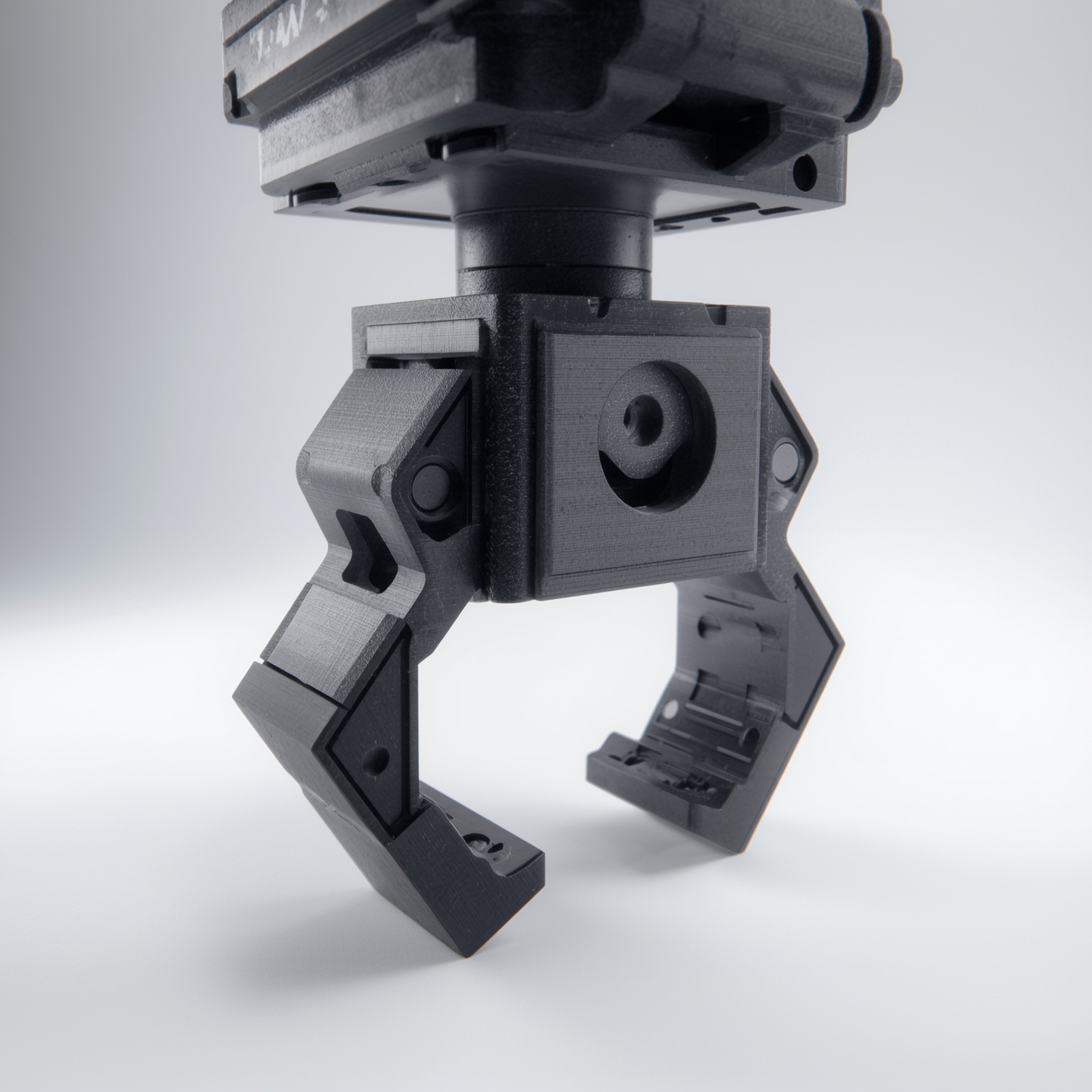
Processes that use Nylon (PA6 / PA66)
3D Printing Services in Canada
Canadian 3D printing services for prototyping and production. FDM, SLS, MJF, SLA, and DMLS from vetted Canadian manufacturers with ISO certification.
Assembly Services in Canada
Canadian mechanical and electromechanical assembly services. Box builds, sub-assemblies, and turnkey product assembly from vetted providers with quality documentation.
Casting Services in Canada
Canadian casting services including die casting, sand casting, investment casting, and centrifugal casting. ISO-certified foundries for aluminum, steel, iron, and bronze castings.
CNC Machining Services in Canada
Canadian CNC machining services for prototyping and production. 3-axis, 5-axis, turning, and milling from vetted Canadian manufacturers with CSA and ISO certification.
Injection Molding Services in Canada
Canadian injection molding services for consumer products, medical devices, automotive, and industrial applications. ISO-certified manufacturers with cleanroom capability.
Manufacturing intel.
Every Tuesday.
Real costs, vetted Canadian suppliers, and government funding alerts. One free email a week.
Unsubscribe anytime. Your data stays in Canada.