ABS (Acrylonitrile Butadiene Styrene) in Canadian Manufacturing
ABS is the default engineering thermoplastic for consumer-product housings, electronics enclosures, automotive interior trim, and FDM 3D printing. It balances toughness, surface finish, paintability, and price better than any other commodity engineering plastic. Canada has both domestic compounding capacity and deep injection-moulding networks for ABS.
ABS in Canadian Manufacturing
ABS is the default first-choice engineering thermoplastic in Canada — for the same reason it is everywhere globally. It is cheap, tough, paintable, mouldable, and machinable. Canadian consumer electronics, appliance, automotive, and recreational-product manufacturers run on ABS and ABS-blend resins, and most plastic injection moulders in the country are set up to process it.
Why ABS Wins for Consumer Products
The acrylonitrile gives chemical resistance and stiffness; the butadiene gives impact toughness; the styrene gives flow and surface finish. The combination produces a material that paints well, takes texture moulding cleanly, glues with cyanoacrylate or solvents, ultrasonically welds reliably, and cycles fast in a moulding press. For a consumer-product housing project where the exterior aesthetic matters, ABS or a PC/ABS blend is the answer 70% of the time.
Canadian Resin and Compounding
The Sarnia–Joffre petrochemical corridor anchors Canadian polymer production. INEOS Styrolution Sarnia produces ABS resin; NOVA Chemicals supplies the styrene and polystyrene feedstock chain. Compounded grades (impact-modified, glass-filled, flame-retardant, conductive, coloured) are produced and distributed by Avient, RTP Company, and several regional compounders. For colour-matched custom compounds, lead times are typically 4–8 weeks; standard prime grades are stocked nationally.
Moulding and 3D Printing
Canadian injection moulders capable of ABS span the full range — from low-volume prototype shops to high-cavity production presses serving the automotive interior supply chain in southern Ontario. Standard ABS cycles in 20–45 seconds depending on wall thickness; PC/ABS blends and FR grades may run 10–30% slower. For 3D-printed ABS, FDM service bureaus operate across the country, with AON3D and Stratasys partners covering high-end industrial FDM work.
Get Matched to a Canadian ABS Shop
Tell us the application, volume, and any spec constraints (UL rating, colour, paint compatibility, regulatory). We route to Canadian moulders, machinists, and 3D-print bureaus with the right ABS capability and cycle-cost economics for your volume.
ABS (Acrylonitrile Butadiene Styrene) at a Glance
Where It's Made in Canada
Canada is a major North American polymer producer. NOVA Chemicals (Sarnia, ON; Joffre, AB) produces styrene monomer and polystyrene that feeds ABS production. INEOS Styrolution operates ABS production at Sarnia (ON). Compounded ABS resin (virgin, regrind, glass-filled, flame-retardant) is widely distributed by RTP Company Canada, PolyOne (Avient), Channel Prime Alliance, and regional resin distributors. Canadian injection moulders carry standard ABS grades in inventory; speciality grades are typically 1–3 week lead time.
Domestic suppliers
- INEOS Styrolution CanadaSarnia, ON
ABS resin production — North American supply hub
- NOVA ChemicalsSarnia, ON; Joffre, AB
Styrene monomer and polystyrene feedstock
- Avient (PolyOne) CanadaMississauga, ON
Compounded ABS — colour, FR, glass-filled, conductive
- Channel Prime AllianceMulti-site
Polymer distribution including ABS prime and reprocessed
- Mancor Industries / Husky Injection Molding SystemsBolton, ON
ABS-capable injection moulding equipment and tooling
Typical Applications
Frequently Asked Questions
When should I choose ABS vs PC/ABS or polypropylene?
Is ABS suitable for outdoor use?
Can Canadian moulders run flame-retardant ABS for electronics?
What about ABS for FDM 3D printing?
Find a Canadian ABS moulder or 3D-print shop
Match your ABS (Acrylonitrile Butadiene Styrene) project with vetted Canadian shops that have the process and the material in-house.
Or email us at hello@theassemblystudio.com
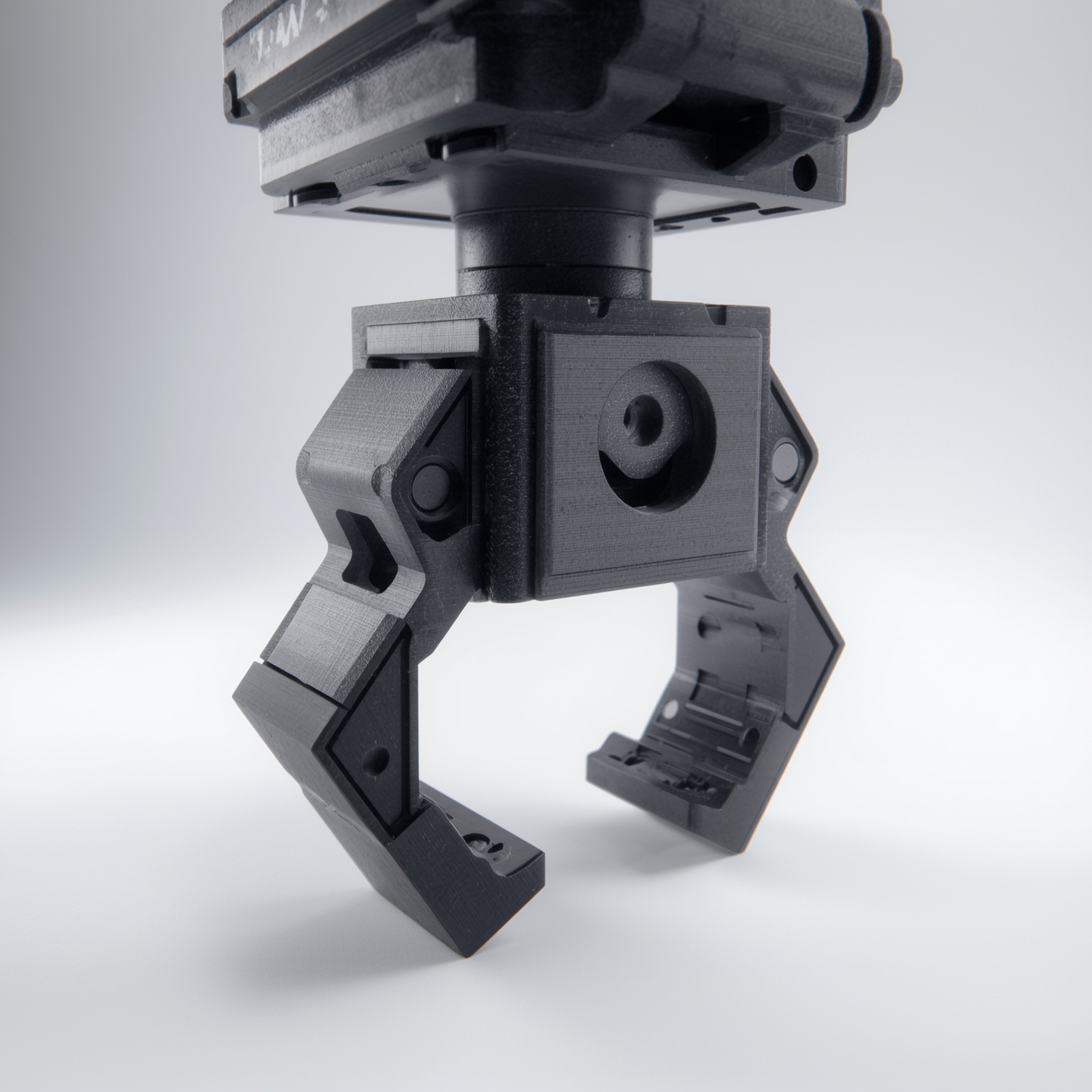
Processes that use ABS (Acrylonitrile Butadiene Styrene)
3D Printing Services in Canada
Canadian 3D printing services for prototyping and production. FDM, SLS, MJF, SLA, and DMLS from vetted Canadian manufacturers with ISO certification.
Assembly Services in Canada
Canadian mechanical and electromechanical assembly services. Box builds, sub-assemblies, and turnkey product assembly from vetted providers with quality documentation.
Casting Services in Canada
Canadian casting services including die casting, sand casting, investment casting, and centrifugal casting. ISO-certified foundries for aluminum, steel, iron, and bronze castings.
CNC Machining Services in Canada
Canadian CNC machining services for prototyping and production. 3-axis, 5-axis, turning, and milling from vetted Canadian manufacturers with CSA and ISO certification.
Injection Molding Services in Canada
Canadian injection molding services for consumer products, medical devices, automotive, and industrial applications. ISO-certified manufacturers with cleanroom capability.
Manufacturing intel.
Every Tuesday.
Real costs, vetted Canadian suppliers, and government funding alerts. One free email a week.
Unsubscribe anytime. Your data stays in Canada.