CNC Turning Services in Canada
CNC turning rotates a workpiece against a cutting tool to produce precision cylindrical parts - shafts, bushings, fittings, pins, and threaded components. Canadian CNC turning shops operate 2-axis lathes, multi-axis turning centers with live tooling, and Swiss-type automatics for small precision parts. From single prototypes to production runs of 100,000+, turning is the fastest path to round parts.
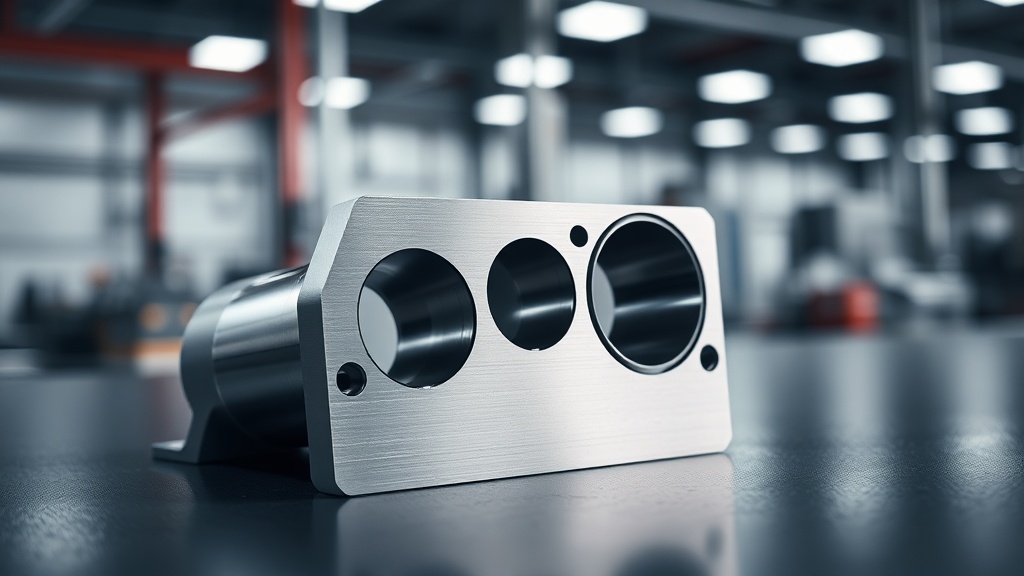
CNC Turning in Canada: The Complete Guide
CNC turning is the primary manufacturing process for precision cylindrical parts. Every shaft, pin, bushing, fitting, nozzle, and threaded component in modern machinery starts on a lathe. Canada has a deep network of CNC turning shops - from general-purpose job shops running bar-fed lathes to specialized Swiss-turning houses producing micro-precision medical and electronics components.
Why Choose Canadian CNC Turning
Swiss-turning expertise. Canada has a concentration of Swiss-turning shops serving the medical device and electronics industries. These shops run Citizen, Star, and Tornos machines capable of producing bone screws, connector pins, and instrument shafts to tolerances measured in microns. ISO 13485 certification is common.
Complete parts in one setup. Canadian turning shops invest in multi-axis turning centers with live tooling, Y-axis, and sub-spindles. This means parts come off the machine complete - turned, milled, drilled, tapped, and deburred - without secondary handling. Fewer setups means better accuracy and lower cost.
Defense and aerospace capability. Several Canadian turning shops hold CGP (Controlled Goods Program) registration and AS9100 certification, making them qualified to produce turned components for military hardware, aircraft engines, and landing gear. Titanium and Inconel turning is a proven capability across the network.
How We Match You to the Right Turning Shop
A shop running bar-fed production lathes for automotive fittings is a different operation than a Swiss house making medical bone screws. We match your part diameter, complexity, material, tolerance, and volume to the right machine type and the right shop - so you get precision without paying for overkill.
CNC Turning at a Glance
- ISO 9001:2015
- AS9100 (Aerospace)
- IATF 16949 (Automotive)
- CGP (Controlled Goods Program)
- ISO 13485 (Medical Devices)
Available Materials
Industries We Serve
CNC Turning Services
Swiss-Type CNC Turning
Sliding headstock lathes for small-diameter precision parts - medical implant screws, electronic pins, and watch components.
Multi-Axis Turning with Live Tooling
Turning centers with driven tools for milling, drilling, and tapping in a single setup - reducing handling and improving concentricity.
CNC Lathe Production Runs
Bar-fed and chucking lathe production for medium to high-volume cylindrical parts with automated part handling.
Hard Turning
Turning hardened steels (55-65 HRC) as an alternative to grinding, achieving surface finishes to Ra 0.2 microns.
Frequently Asked Questions
What is the difference between CNC turning and CNC milling?
What is Swiss turning and when should I use it?
What tolerances can Canadian CNC turning shops hold?
Can CNC turning produce parts with flats, holes, and cross-features?
Get a CNC Turning Quote
Get cnc turning done right the first time. Join our waitlist and we'll connect you with vetted Canadian suppliers.
Or email us at hello@theassemblystudio.com
Explore More CNC Turning Resources
3D Printing Services in Canada
Canadian 3D printing services for prototyping and production. FDM, SLS, MJF, SLA, and DMLS from vetted Canadian manufacturers with ISO certification.
Assembly Services in Canada
Canadian mechanical and electromechanical assembly services. Box builds, sub-assemblies, and turnkey product assembly from vetted providers with quality documentation.
Casting Services in Canada
Canadian casting services including die casting, sand casting, investment casting, and centrifugal casting. ISO-certified foundries for aluminum, steel, iron, and bronze castings.
Manufacturing intel.
Every Tuesday.
Real costs, vetted Canadian suppliers, and government funding alerts. One free email a week.
Unsubscribe anytime. Your data stays in Canada.